
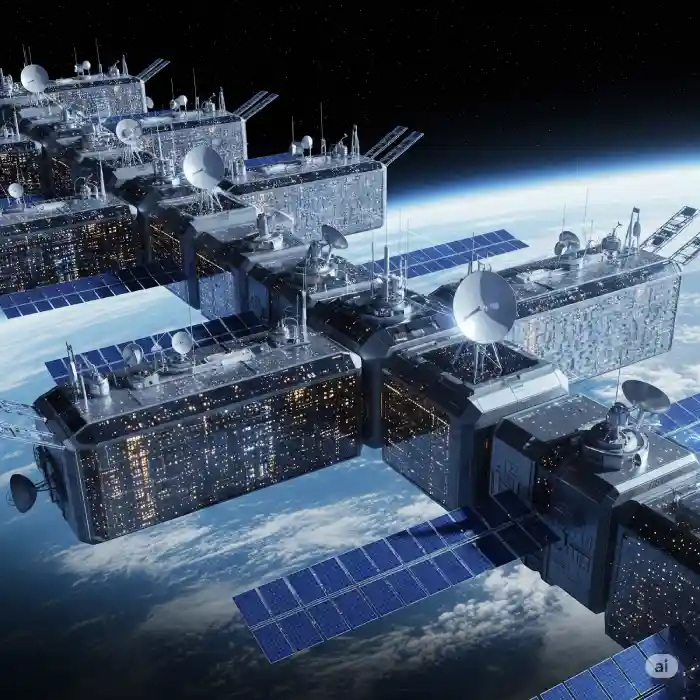
A Corrida para Centros de Dados Baseados no Espaço
A Corrida para Centros de Dados Baseados no Espaço
aitech.pt
aitech.pt
The Race to Space-Based Data Centers
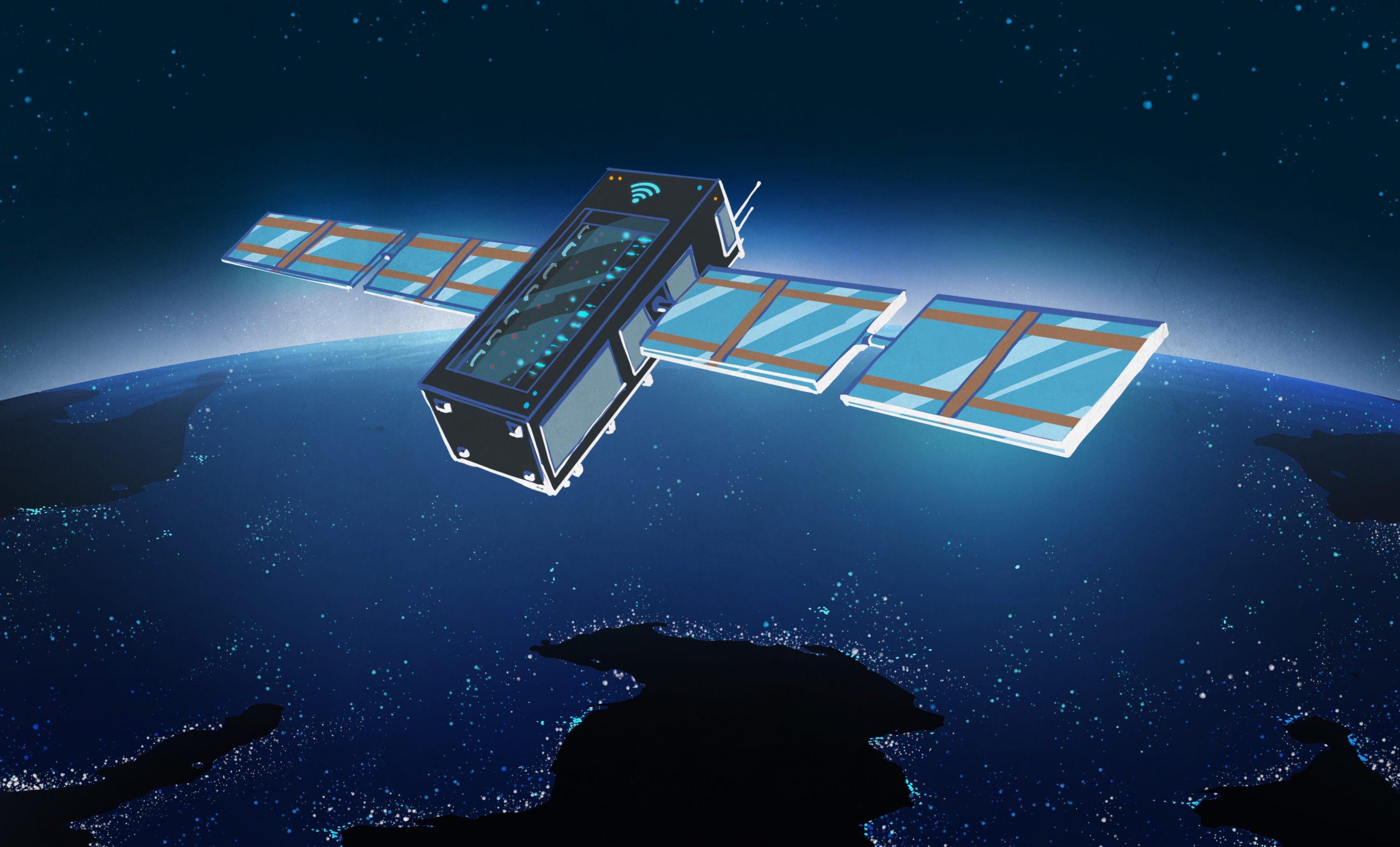
As demand for data storage and processing escalates, traditional data centers face significant challenges, especially in energy consumption and cooling. This situation has sparked interest in space-based data centers powered by solar energy that orbit our planet. In this article, we will delve into the advantages and challenges of these futuristic structures, examine current developments and innovations, and explore the potential future of space data centers.
Key Advantages of Space-Based Data Centers
The concept of space data centers introduces several transformative advantages that could revolutionize computation and energy efficiency:
| Advantage | Description |
|---|---|
| Abundant Renewable Energy | Space installations harness continuous solar energy, potentially generating up to eight times more energy than terrestrial data centers. This could lead to carbon-neutral operations within approximately five years after initial launch costs are offset. [1] |
| Superior Cooling Efficiency | The vacuum of space promotes efficient waste heat dissipation, eliminating the need for water-dependent cooling systems. [1] |
| Enhanced Sustainability | Relocating data centers to space could significantly alleviate strain on terrestrial energy grids and natural resources. [2] |
Transitioning to the Next Section
While the prospects of space-based data centers are exciting, it’s crucial to explore the hurdles and limitations that could impede their realization.
Challenges and Limitations of Space Data Centers
The path to establishing space data centers is laden with challenges that require innovative solutions:
- Radiation Vulnerability: Data hardware must endure radiation exposure, resulting in additional development costs. [1]
- High Launch and Maintenance Costs: Initial deployment costs are significant, although they are expected to drop below $200/kg by the 2030s due to advancements in reusable rocket technologies, such as SpaceX’s Starship. [2]
- Connectivity and Reliability Issues: The demand for high-bandwidth inter-satellite communication (exceeding tens of terabits per second) and reliable Earth communication networks remains a challenge during development. [1]
- Rapid Technological Depreciation: The fast pace of technological innovation necessitates frequent and often expensive hardware upgrades. [1]
Moving Forward
As we navigate through the complexities of space data centers, it’s vital to examine current developments and their implications for the future.
Current Developments in Space-Based Data Centers
Ongoing research and prototypes are paving the way for potential space-based data centers:
- Research Initiatives: A study from Nanyang Technological University in November 2025 showcased the feasibility of processing data via satellites versus terrestrial methods. [1]
- Prototypes and Testing: Companies like Starcloud plan to deploy a satellite with the Nvidia H100 GPU, while Lonestar has conducted successful experiments in lunar data storage. [1]
- Industry Interest: Influential figures, including Elon Musk, are examining the scalability of Starlink for orbital computing. Additionally, Thales is conducting feasibility studies as of 2024. [1]
Conclusion
The long-term viability of space-based data centers relies on lowering launch costs, meeting the growing data demands driven by artificial intelligence, and implementing necessary engineering innovations. Although space data centers offer a promising solution to contemporary computing challenges, they currently grapple with monumental uncertainties and technical hurdles. As technology advances, the vision of operational space data centers may not only become achievable but essential for sustainable computing in the future.
Sources
Share this post
Like this post? Share it with your friends!