

A Criação do Tecido Mais Escuro e Usável Alguma Vez Feito
A Criação do Tecido Mais Escuro e Usável Alguma Vez Feito
aitech.pt
aitech.pt
Cornell Scientists Create the Darkest Wearable Fabric Ever Made
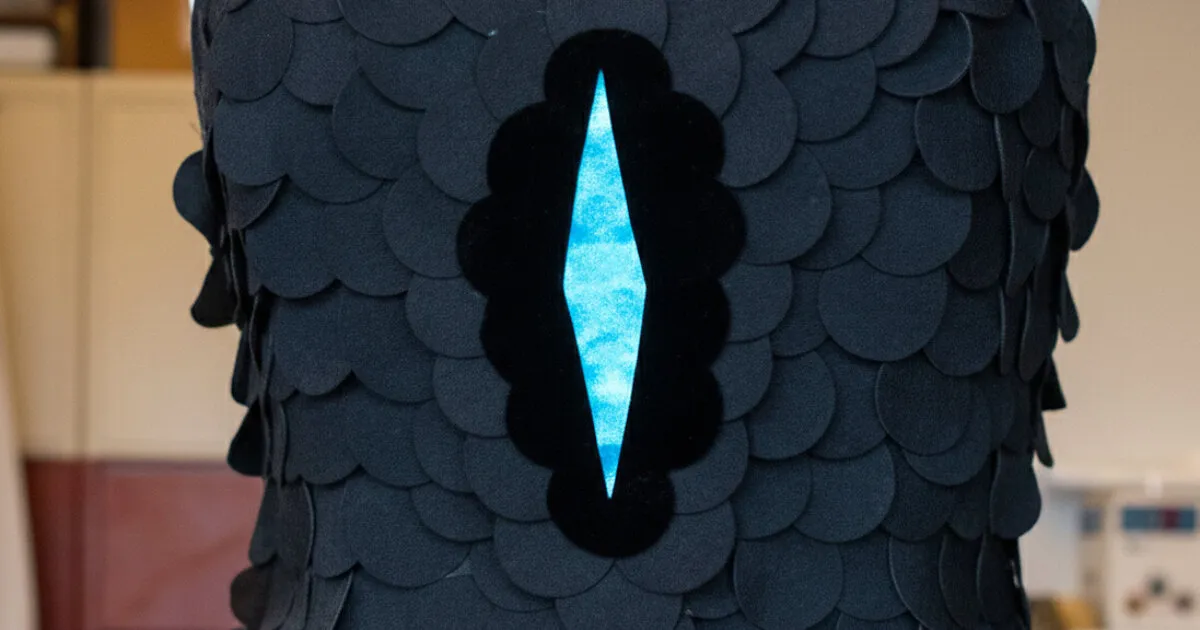
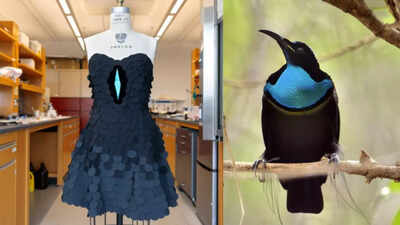
Imagine a fabric that virtually absorbs every bit of light, rendering it almost invisible. This is the astonishing achievement by scientists at Cornell University, who have developed the darkest wearable fabric ever created. This groundbreaking material, inspired by the feathers of the exquisite riflebird from Papua New Guinea, reflects a mere 0.13% of visible light. Thus, it absorbs an astounding 99.87% of light that strikes its surface, making it a true marvel of modern science12.

The Creation Process

Creating this innovative fabric involves a meticulous series of steps:
- Base of White Wool: The process starts with the use of white merino wool as the base material.
- Dyeing: The wool is dyed using polydopamine, a synthetic polymer similar to melanin.
- Plasma Etching: The fabric undergoes a process called plasma etching, which forms nanospikes (nanofibers) on the fibers, mimicking the structure of riflebird feathers and significantly enhancing light absorption1234.
Distinct Features of the Fabric
The newly developed fabric boasts several unique characteristics that set it apart from previous ultra-black materials:
- Ultra-black Reflectance: Reflects only 0.13% of light.
- Wide Viewing Angle: Maintains its ultra-black appearance across a 120-degree vision angle, effective even up to 60 degrees off-axis.
- Usability and Durability: Features like elasticity, breathability, washability, and scalability make it suitable for clothing applications.
- Simplified Manufacturing Process: Compared to other ultra-black materials, such as carbon nanotube-based textiles, its production is more straightforward and scalable.
Potential Applications
The implications of this ultra-black fabric extend far beyond fashion. It opens up a myriad of potential applications, including:
- Solar Panels: Enhancing efficiency in solar light absorption can lead to more effective solar energy solutions.
- Cameras and Telescopes: Improving image capture and data collection capabilities for advanced optical devices.
- Military Camouflage: Potential development of highly effective and discreet military gear that blends seamlessly into various environments.
A Stylish Showcase
The collaborative efforts of the Cornell team culminated in a stunning dress inspired by the iridescent feathers of the riflebird. This piece not only demonstrates the fabric’s practical uses in apparel but also showcases its unique and captivating aesthetic134.
The Future of Ultra-black Fabric
The team from the Responsive Apparel Design Lab at Cornell is currently pursuing a patent for this innovative technology. Plans for commercialization are underway, with the exciting potential to apply it to natural fibers such as silk and cotton2.
Key Takeaways
| Feature | Description |
|---|---|
| Light Absorption | Absorbs 99.87% of visible light |
| Potential Uses | Solar panels, cameras, military gear |
| Manufacturing Advantages | More scalable than carbon nanotube-based materials |
Conclusion
This new ultra-black fabric, regarded as the darkest in the world, not only sets a record in light absorption but also boasts practical qualities and potential uses that can revolutionize various technological domains. By simplifying production methods, Cornell’s invention has the capacity to impact industries ranging from garment manufacturing to advanced technology and defense.
For further insights, visit the following resources:
Sources
- VICE
- EurekAlert
- Popular Science
- ScienceAlert
- Parametric Architecture
- Cornell News
- Cornell Human Ecology
- Newsweek
Footnotes
Share this post
Like this post? Share it with your friends!