
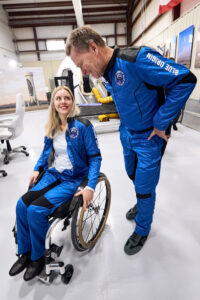
A engenheira paraplégica que rompe barreiras no espaço
A engenheira paraplégica que rompe barreiras no espaço
aitech.pt
aitech.pt
Paraplegic Engineer Shatters Space Accessibility in World-First
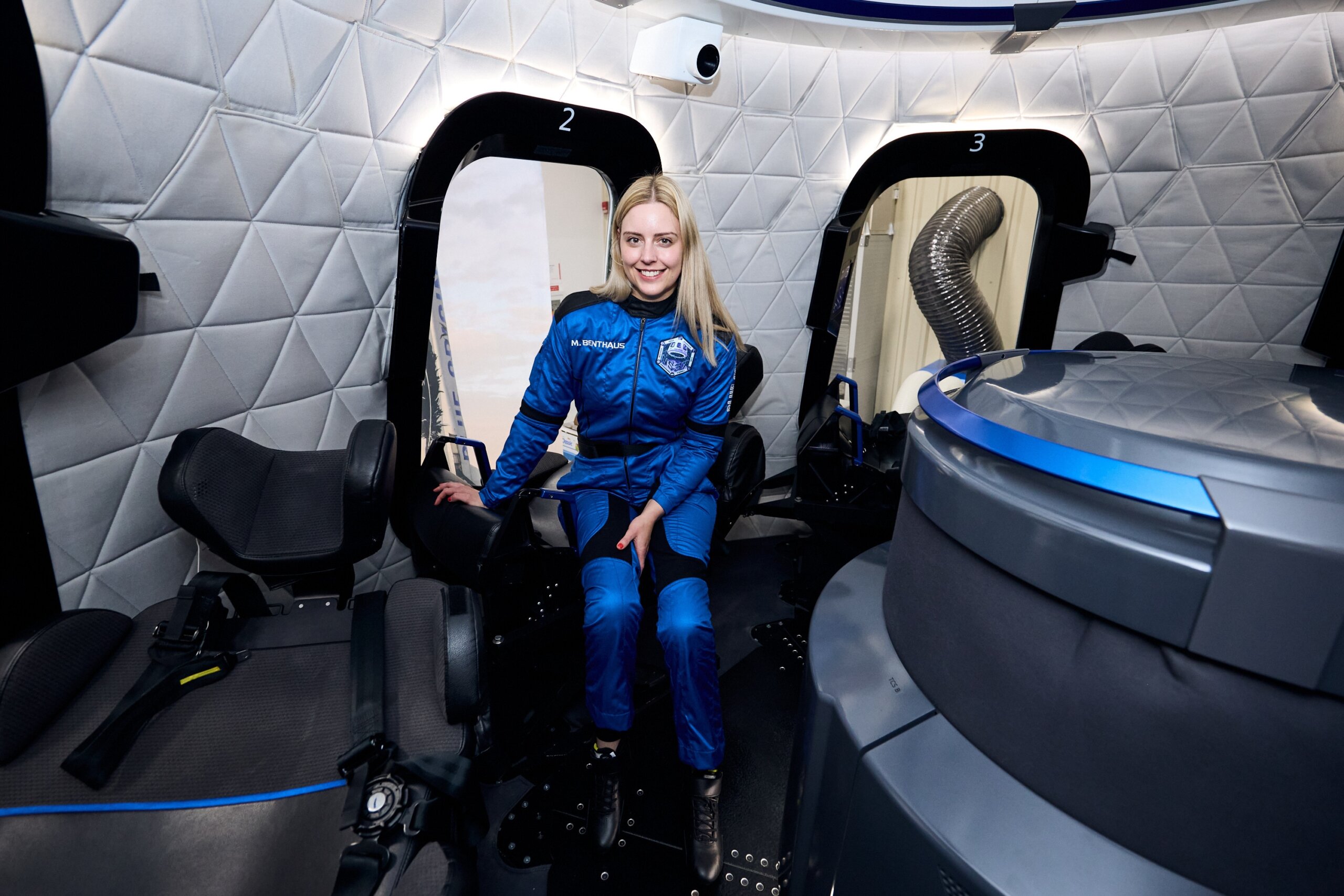
Michaela Benthaus, a 33-year-old German engineer and paraplegic, has made history by becoming the first wheelchair user to reach space aboard Blue Origin’s New Shepard capsule. This groundbreaking flight, which took place on December 16, 2025, marks a significant milestone in space accessibility and sets the stage for greater disability inclusion in space missions. Benthaus’s achievement not only breaks barriers but also opens avenues for future endeavors in space tourism and exploration for individuals with disabilities.

The Historic Flight of Michaela Benthaus

The Blue Origin mission NS-37 aimed to take Benthaus into space from a launch site in Texas. During the exhilarating 10-minute suborbital journey, she experienced over three minutes of weightlessness, reaching an altitude of more than 105 kilometers.
Mission Details
| Metric | Detail |
|---|---|
| Flight Date | December 16, 2025 |
| Flight Duration | 10 minutes |
| Maximum Altitude | Over 105 kilometers |
| Zero-Gravity Experience | 3 minutes |
Following a bicycle accident in 2018 that left her paraplegic, Benthaus worked diligently towards this historic achievement. Preparations included minor adaptations, such as the use of a transfer board and an existing lift on the launch platform, demonstrating the commitment to space accessibility.
The Significance of Her Achievement
Michaela Benthaus emphasized that including people with disabilities in space travel is crucial for fostering a more accessible future. She stated:
“There had been no story of people with disabilities traveling to space.”
This mission not only paves the way for greater disability inclusion in aerospace but also heralds a new era in space tourism, showing that the stars are for everyone.
Flight Crew
In addition to Benthaus, the flight included five other crew members:
- Joey Hyde - Physicist and investor.
- Hans Koenigsmann - Former SpaceX executive.
- Neal Milch - Chairman of the Jackson Laboratory.
- Adonis Pouroulis - Entrepreneur.
- Jason Stansell - Rocket enthusiast.
This diverse team reflects the potential for innovative and exploratory collaborations within the space sector, promoting a collaborative environment.
The Future of Space Accessibility
Benthaus’s mission signals a clear shift toward adapting space missions for astronauts of varying abilities. While minor adjustments were needed for the capsule, the success of this flight illustrates that an inclusive environment in space tourism is achievable.
Potential Future Improvements
Looking ahead, here are some areas for improvement to ensure broader participation in space missions:
- Accessible Design: Development of spacecraft with adaptive designs for various disabilities.
- Specialized Training: Creation of training programs tailored for astronauts with specific disabilities.
- Ground Accessibility: Enhancement of accessibility at launch facilities and supporting infrastructure.
These advancements may empower a wider array of individuals to participate in future space missions, reshaping who can aspire to be an astronaut.
Conclusion
Michaela Benthaus’s historic flight is not only a personal victory but also a major leap forward for inclusion in space travel. As accessibility efforts grow, it is likely that more individuals with diverse abilities will explore the final frontier. This achievement is not just pivotal for space tourism but also for scientific research and international collaboration in space exploration.
For those interested in delving deeper into this inspiring mission, it is recommended to watch videos and reports that document the journey, available on platforms like CNN and The New York Times.
Sources
Share this post
Like this post? Share it with your friends!