
A Previsão de Elon Musk: Robótica Tornará o Trabalho Opcional
A Previsão de Elon Musk: Robótica Tornará o Trabalho Opcional
aitech.pt
aitech.pt
Elon Musk Predicts Robotics Will Make Work Optional
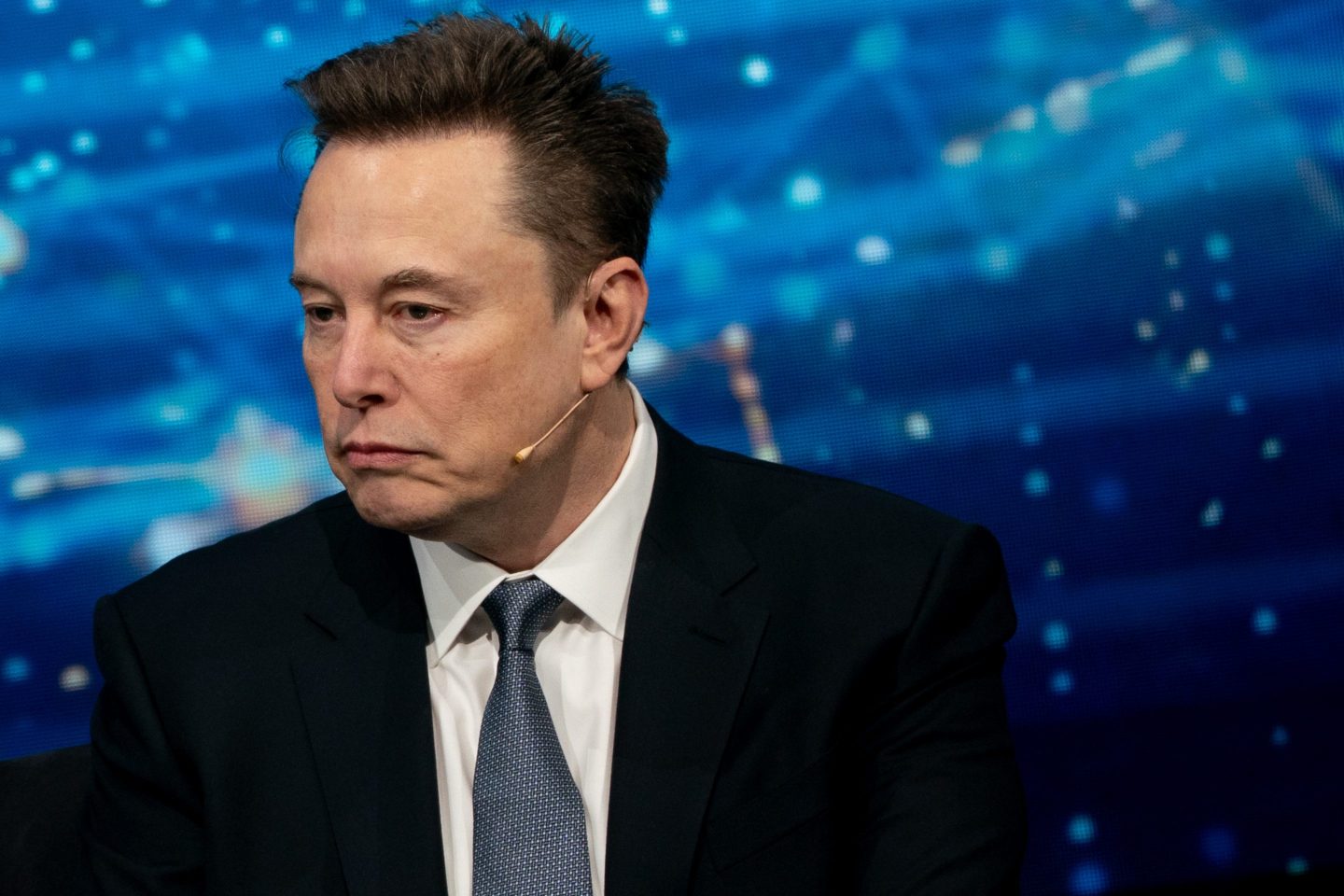
Elon Musk, the visionary CEO of Tesla and SpaceX, made a bold prediction during the U.S.-Saudi Arabia Investment Forum in Washington: he believes that within the next 10 to 20 years, robotics and artificial intelligence (AI) will render work optional. Imagine a future where people choose to work purely for enjoyment and creativity—akin to playing sports or video games. This striking vision of a transformed economic landscape invites not only curiosity but also reflection on the practical implications of such a seismic shift.
The Future of Work and Robotics

Musk describes a scenario where humanoid robots, like Tesla’s Optimus, will emerge as revolutionary products, surpassing even the impact of smartphones. These advancements will automate essential tasks, freeing humans from conventional work obligations and allowing for a more meaningful approach to contribution.
“Work will be optional for those who wish to participate, like tending to a vegetable garden,” Musk elaborated, illustrating his vision of how the nature of work will change radically.
The Concept of Post-Scarcity Abundance
:max_bytes(150000):strip_icc():focal(933x202:935x204)/elon-musk-kennedy-center-112025-babd701f63f5432c9cbf7a405b9f7f5e.jpg)
Musk expands on this idea by referring to a post-scarcity future, where money becomes irrelevant. He connects this vision to science fiction themes of extreme abundance, in which traditional monetary economies fade into obscurity. This new world calls for a reevaluation of wealth management and access to goods and services, a shift that could have profound implications for society.

Key Aspects of Musk’s Prediction
| Aspect | Elon Musk’s Prediction |
|---|---|
| Timeline | 10 to 20 years |
| Work | Optional; a choice rather than a necessity |
| Role of Humanoid Robots | Major societal players handling essential tasks |
| Money | Will eventually lose relevance |
| Social Impact | Scenario involving post-scarcity with abundance; human labor becomes discretionary |
Implications of Technology on Employment
With the advent of advanced technologies, Musk raises critical questions about new social dynamics. As work transitions to being optional, societies will need to develop innovative wealth distribution models and create access opportunities to prevent rising social inequalities.
A New Perspective on Work
- Work as Leisure: Choosing work as a recreational activity instead of an economic necessity.
- Social Reorganization: Society must adapt to new systems for structuring work and distributing wealth.
- Ethical Challenges: Automation introduces challenges related to access and inclusion, particularly for individuals who may feel threatened by technological advances.
Evaluating the Changes
Musk is not alone in foreseeing these transformations. Many technological experts and futurists are examining the implications of automation and AI advancements. A growing consensus indicates a pressing need for preparation and adaptation to this emerging landscape.
Conclusion
Elon Musk’s vision of a future where work is optional and money becomes irrelevant is both an aspiration and a challenge. With technology advancing at breakneck speed, the potential for a profound transformation in our lives—and our work—is tangible. However, this transition necessitates deep reflection on how society will function to ensure a fair and equitable distribution of the new abundances created by robotics and AI.
For more information about Musk’s statements, check out the original article on Fortune.
Key Takeaways
- Work Optionality: In the future, people may choose work based on passion rather than necessity.
- Robot Integration: Humanoid robots will take over essential tasks, reshaping societal roles.
- Economic Transformation: A potential shift to a post-scarcity economy will change our perception of money and labor.
- Social Adaptation: New wealth distribution models will be crucial to prevent inequality as technology advances.
Sources
Share this post
Like this post? Share it with your friends!