
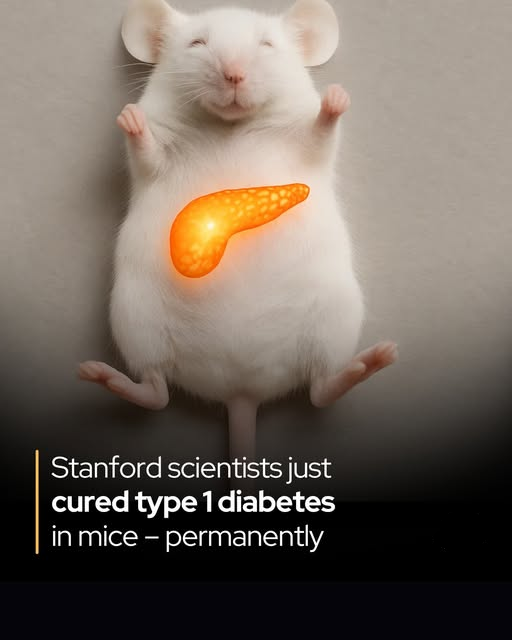
Avanços na cura do diabetes tipo 1 em modelos animais
Avanços na cura do diabetes tipo 1 em modelos animais
aitech.pt
aitech.pt
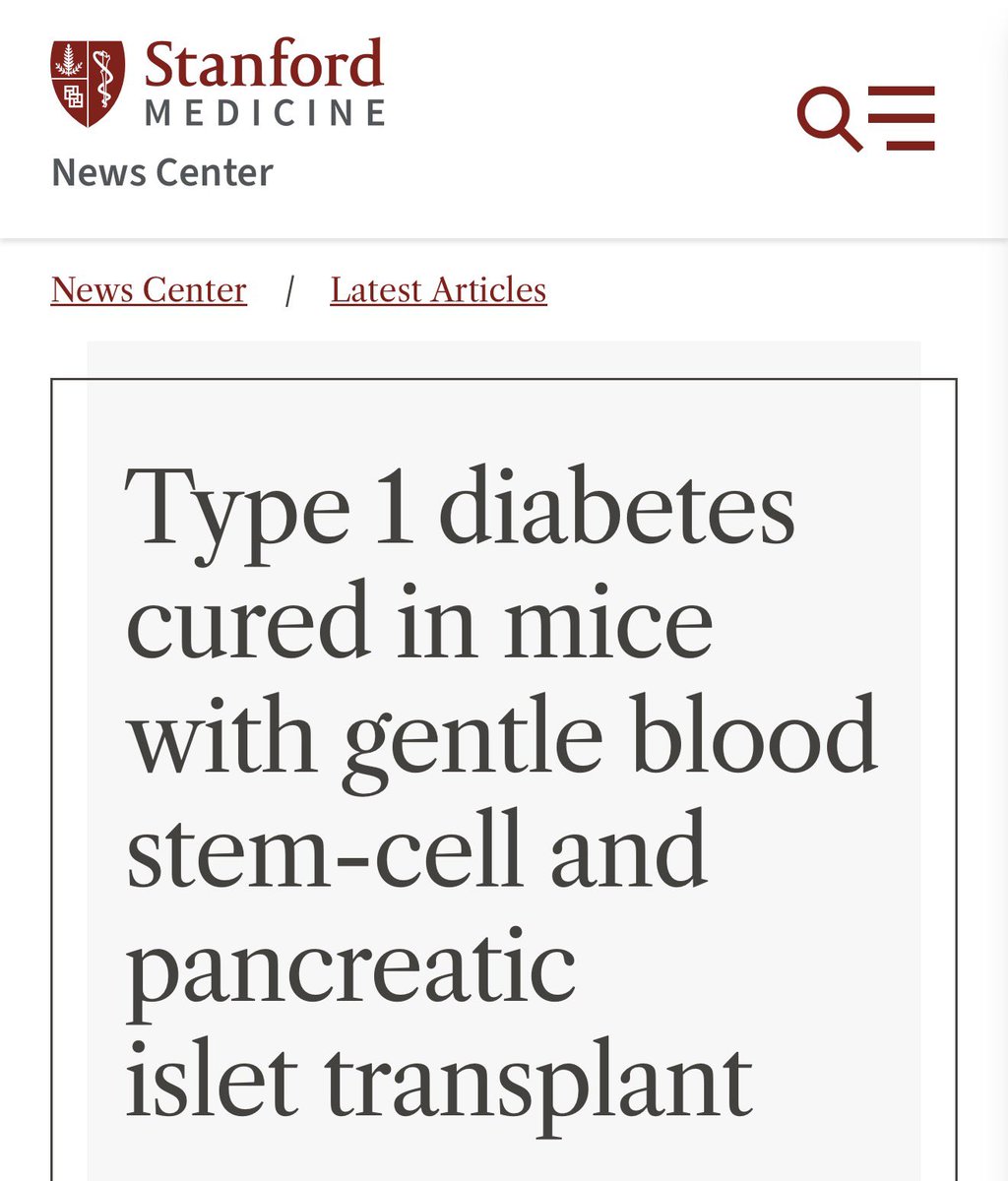
Stanford Researchers Claim to Have Cured Type 1 Diabetes in Mice
In a groundbreaking study, researchers at Stanford University have made a significant leap toward finding a Type 1 diabetes cure. They demonstrated the ability to reverse this chronic disease in mice, leveraging an innovative double transplantation technique that combines blood stem cells and insulin-producing islet cells from the same donor. This revolutionary approach established a “hybrid immune system,” which allows the recipient’s body to accept these cells without rejection, effectively halting the autoimmune assault on insulin-producing cells.

What is Type 1 Diabetes?
Type 1 diabetes is an autoimmune condition in which the immune system mistakenly attacks and destroys the pancreatic beta cells responsible for insulin production. As a result, individuals with Type 1 diabetes struggle to regulate blood sugar levels, leading to serious long-term health complications.
The Transplant Method Developed

The research team employed a dual transplantation approach involving:
- Blood Stem Cells: These cells possess regenerative capabilities, allowing them to replenish the recipient’s blood cells.
- Insulin-Producing Islet Cells: These cells secrete insulin, essential for regulating blood glucose levels.
This process led to the creation of a mixed immune system, commonly known as mixed chimerism. By establishing this chimerism, the recipient’s body accepted the donor cells, ceasing the autoimmune response, and effectively restored its ability to manage blood sugar levels.
Key Steps in the Procedure
The transplantation procedure consisted of three main steps:
- Low-Dose Radiation: This treatment prepared the recipient’s body to accept the new cells.
- Targeted Immune Suppressants: These antibodies helped to lessen the immune response to the donor cells.
- Immunosuppressive Medication: Aimed at preventing rejection, this drug is already used in various clinical contexts.
Observed Results
Crucially, every treated mouse displayed improved blood sugar control, even when diabetes was already established. Notably, long-term immunosuppressive medication was unnecessary, a significant advantage compared to traditional transplant methods, which typically require such treatments to prevent rejection.
Implications for Future Research
Published in the Journal of Clinical Investigation, these findings represent a promising step toward an ultimate Type 1 diabetes cure. The components of the method—low-dose radiation, antibodies, and immunosuppressive medications—are already in clinical use, paving the way for future human trials.
“This research offers hope for Type 1 diabetes patients, leveraging existing technologies and treatments to create a functional solution,” said one of the leading researchers involved.
Conclusion
The Stanford team has achieved a noteworthy breakthrough in curing Type 1 diabetes in mice through a novel treatment combining stem cell and islet transplants. This advancement could profoundly impact not only Type 1 diabetes but also other autoimmune disorders. As the journey toward human application begins, both the scientific community and patients look forward to the exciting potential of this transformative treatment.
Key Takeaways
- Stanford researchers have reportedly cured Type 1 diabetes in mice.
- The innovative technique utilizes blood stem cells and insulin-producing islet cells.
- A mixed chimerism system prevents the immune response against the donor cells.
- Human trials could commence soon, given that the procedure uses already approved medical components.
For more detailed information, consider checking the original articles on Science Daily and Stanford Medicine.
Sources
- AOL - Type 1 Diabetes Reversed Landmark Study
- Fox News - Type 1 Diabetes Reversed
- Stanford University - Type 1 Diabetes Cure Research
- Drug Target Review - Blood Stem Cell and Islet Cell Transplant
- Stanford Medicine - Type 1 Diabetes Information
- Journal of Clinical Investigation - Research Study
- Science Daily - Diabetes Research Findings
Share this post
Like this post? Share it with your friends!