

Avanços no Robô Optimus da Tesla: Habilidades de Corrida Aprimoradas
Avanços no Robô Optimus da Tesla: Habilidades de Corrida Aprimoradas
aitech.pt
aitech.pt
Tesla’s Optimus Robot Shows Off Improved Jogging Skills
Recent images released by Tesla have gone viral, showcasing their humanoid robot Optimus demonstrating markedly improved jogging skills. The results are impressive, highlighting a level of balance, gait control, and natural movement that marks significant progress over previous iterations. This advancement has not only sparked comparisons with the humanoid robot from Figure AI—which also excels in this rapidly evolving field—but it also underscores the transformative potential of technology in the robotics sector.
Melhorias nas Habilidades de Corrida
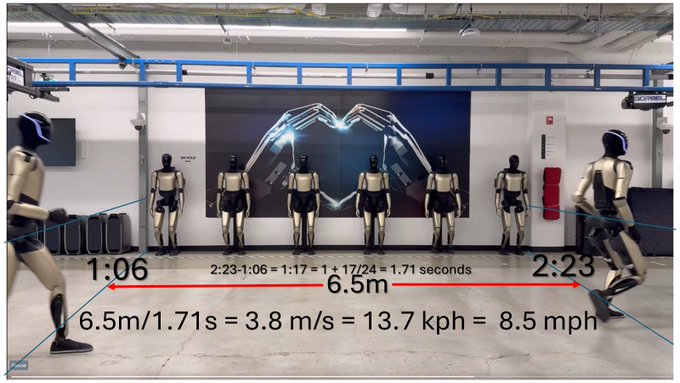
The Optimus is now capable of running at an estimated speed of approximately 3.8 m/s (8.5 mph). This significant enhancement in its locomotion abilities means that Optimus not only walks but also exhibits a genuine flight phase while running, where both feet are momentarily off the ground. This capability represents a substantial leap forward in humanoid robotics.
Principais Características do Novo Optimus

The following features have been improved in the Optimus:
- Coordenação Corporal Aumentada: Enhanced coordination allows Optimus to move more efficiently using advanced real-time control systems.
- Estabilidade Melhorada: The robot exhibits substantially improved gait stability, enabling smoother and safer movements.
- Respostas mais Rápidas: Enhancements include faster response times compared to earlier versions, thereby increasing its effectiveness in dynamic environments.
Comparação com Figure AI

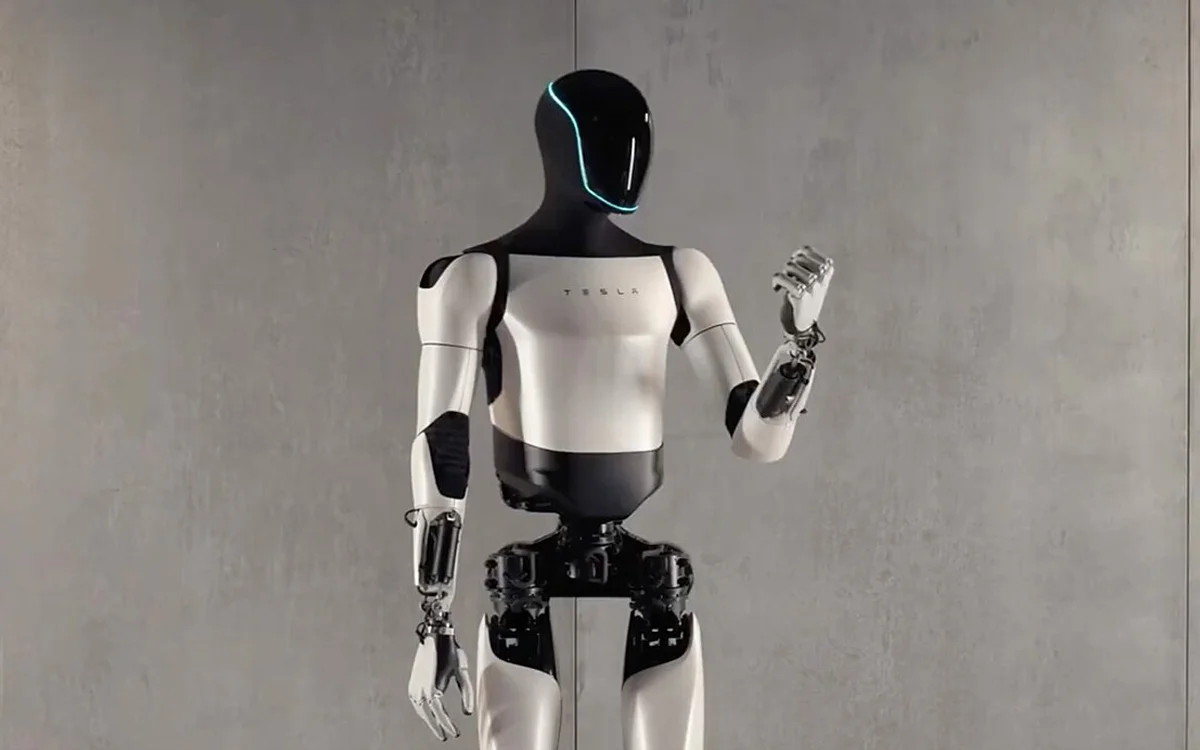
Comparisons between the Optimus from Tesla and the humanoid robot from Figure AI reveal that Optimus is making competitive strides in terms of speed and agility. The table below summarizes a comparison of the features of both robots, highlighting Optimus’s competitive advantages.
| Característica | Tesla Optimus | Figure AI |
|---|---|---|
| Velocidade (m/s) | 3,8 | 3,0 |
| Estabilidade da Corrida | Alta | Média |
| Coordenação | Avançada | Intermediária |
| Tempo de Resposta | Rápido | Lento |
“Conseguir correr com confiança em ambientes dinâmicos representa um passo significativo para a robótica humanoide.” – Elon Musk
O Futuro da Robótica Humanoide
Elon Musk has grand ambitions for the Optimus, forecasting that robots could be mass-produced to handle dangerous or repetitive tasks. The ability to run is a milestone that brings Optimus closer to practical applications beyond the laboratory, ranging from industrial environments to public spaces.
Implicações para a Indústria
The improvements in the Optimus’s skill set could significantly impact various industries. Here are some critical implications:
- Trabalhos de Risco: Robots like Optimus can take on tasks in hazardous environments, reducing risks for human workers.
- Eficiência em Tarefas Repetitivas: The deployment of robots for repetitive tasks can increase efficiency and lower operational costs.
- Atendimento em Espaços Públicos: Robots capable of efficiently navigating public environments open new opportunities for automated services.
Conclusão
The recent enhancements in the running capabilities of Tesla’s Optimus robot signify a major advancement in humanoid robotics and highlight the transformative potential of such technologies. With ongoing development in reinforcement learning and advanced sensors, Tesla is not only leading the race but also paving the way for a new era of robots that can interact dynamically in the real world. The comparison with Figure AI further underscores the profound impact Tesla is making in this arena, promising an exciting future for robotics.
Fontes
Share this post
Like this post? Share it with your friends!