

Descoberta do Receptor Celular Crucial para a Densidade Óssea
Descoberta do Receptor Celular Crucial para a Densidade Óssea
aitech.pt
aitech.pt
Discovery of Crucial Cell Receptor for Bone Density
Bone density is a vital aspect of overall bone health, significantly influencing the risk of fractures and conditions like osteoporosis. Recent scientific advancements have illuminated the role of the cell receptor GPR133 (also known as ADGRD1) as a pivotal factor in maintaining bone density. Researchers have discovered that activating this receptor with a chemical compound called AP503 in rodent models results in a remarkable increase in bone strength, even in cases exhibiting symptoms akin to human osteoporosis. This groundbreaking discovery could pave the way for innovative osteoporosis treatments aimed at rebuilding compromised bone structures in patients.

Understanding GPR133 and Its Role in Bone Health
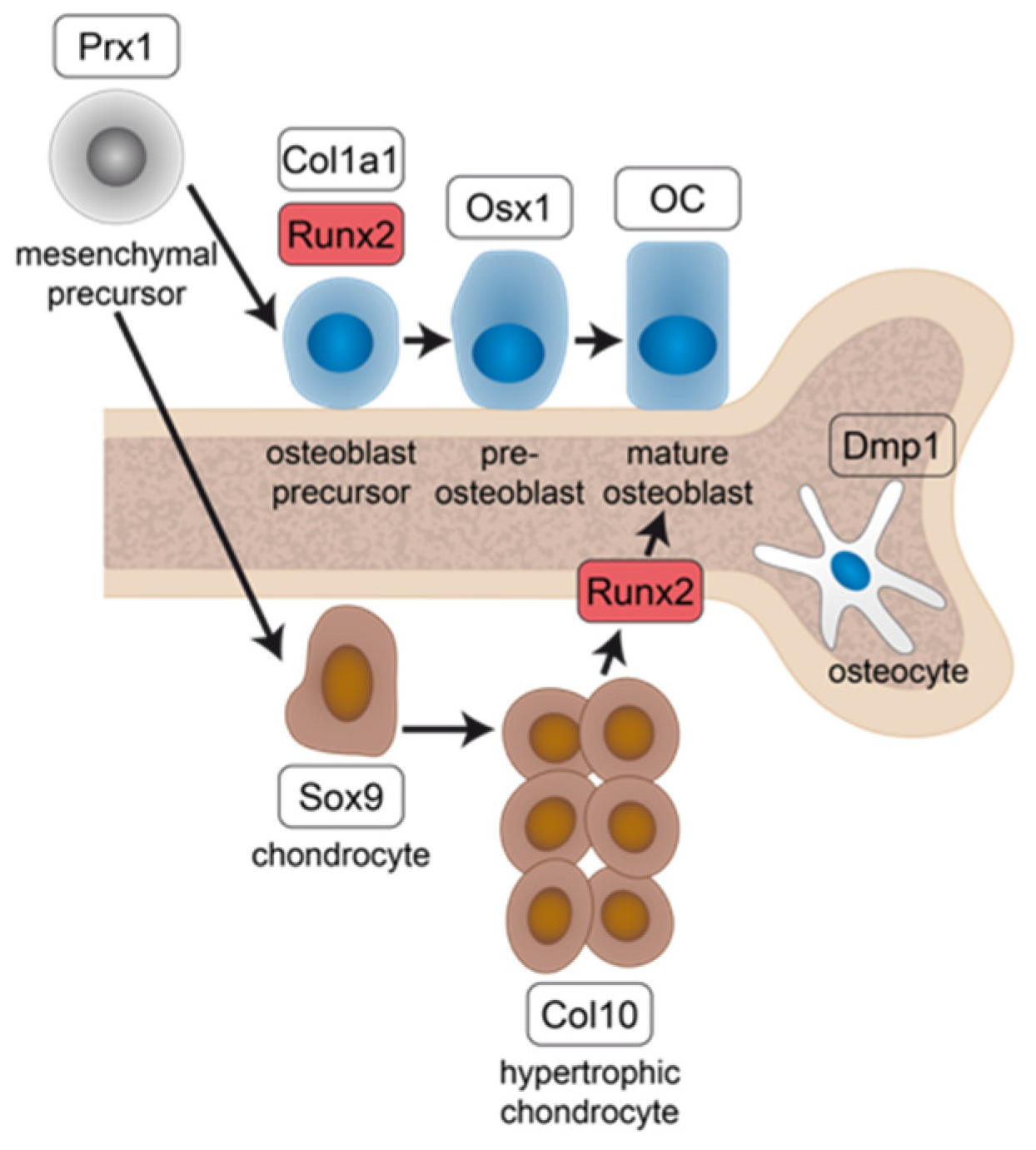
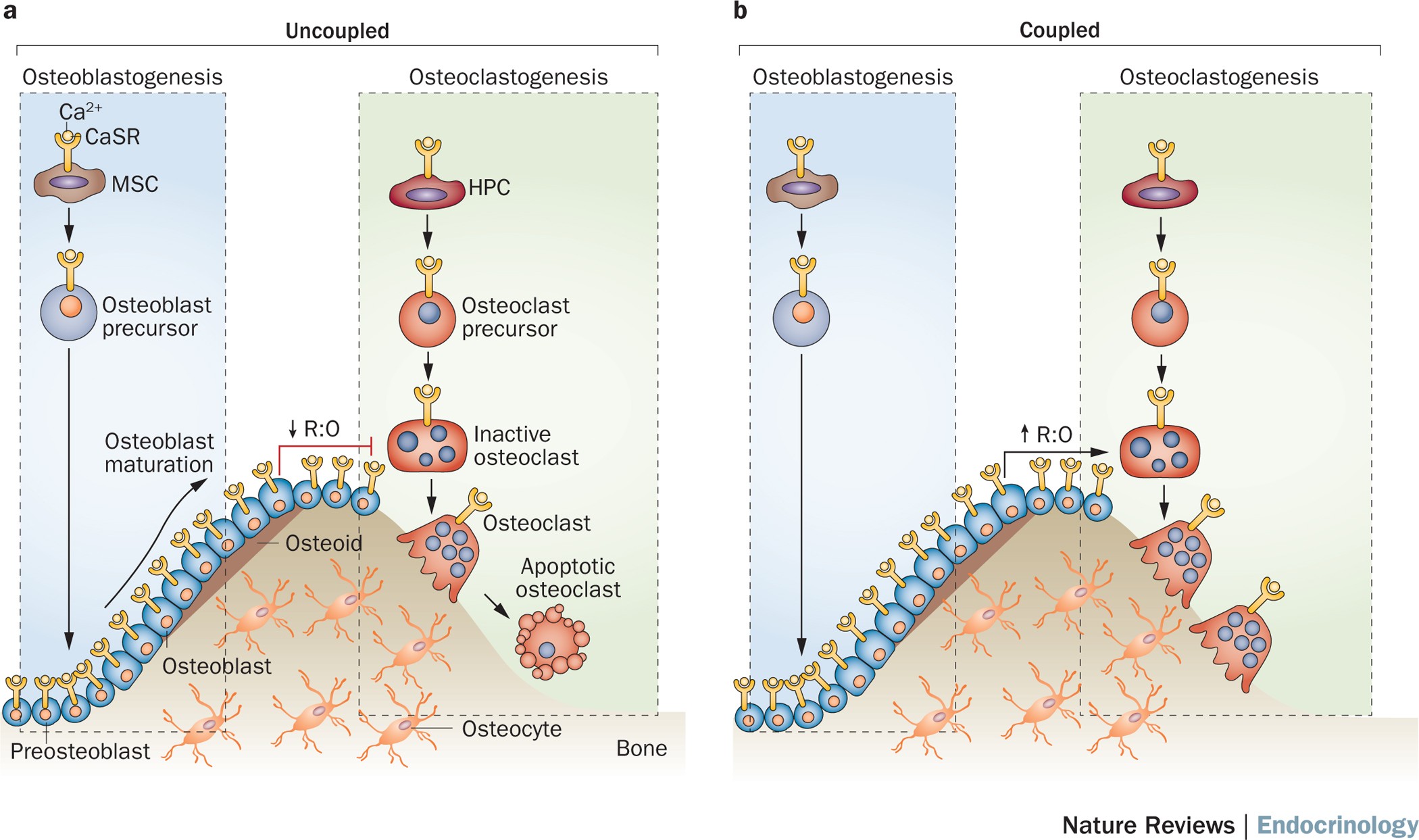
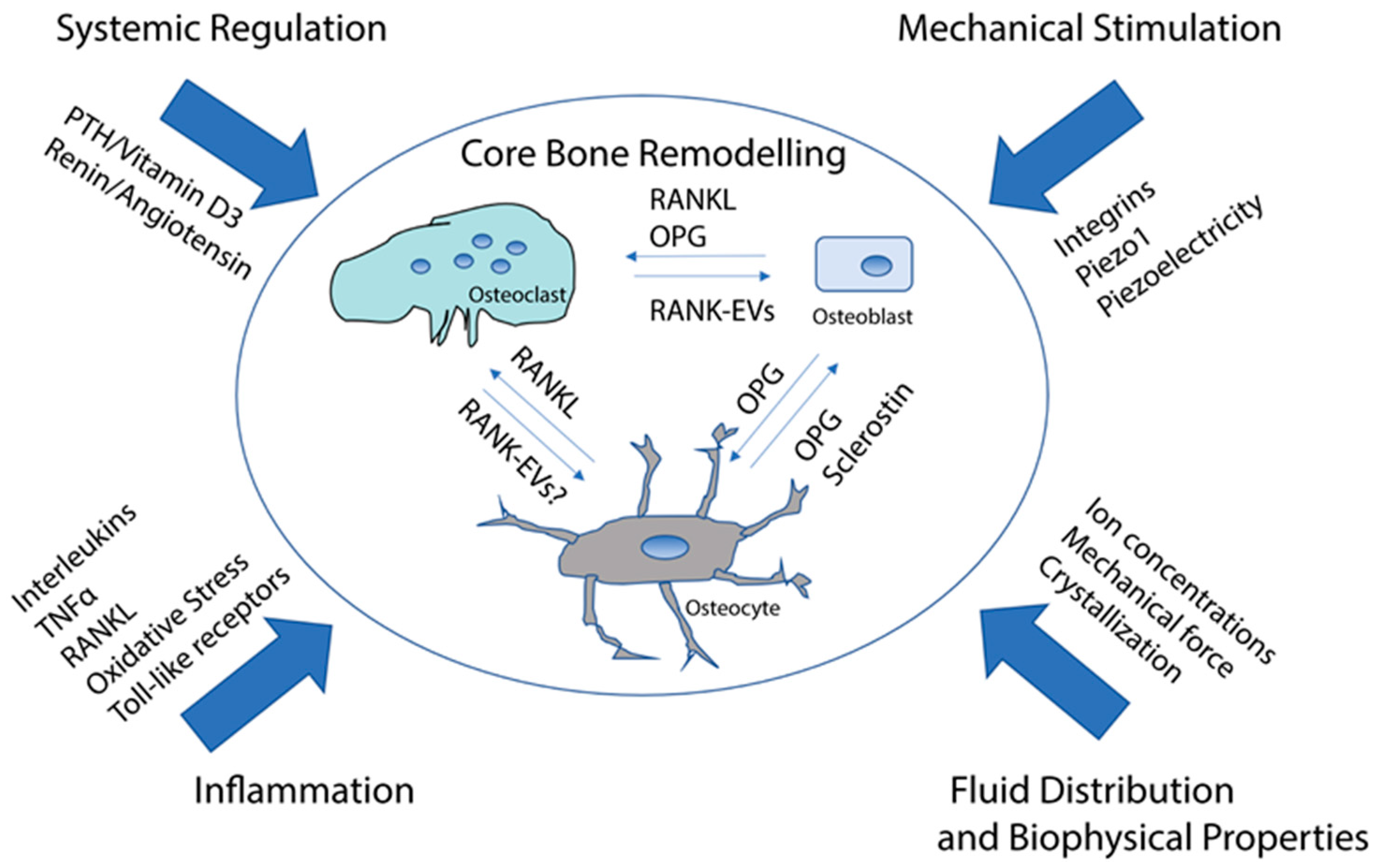
GPR133 is predominantly expressed in bone cells, including osteoblasts (bone-forming cells), osteoclasts (bone-resorbing cells), and osteocytes. Its normal function is crucial for supporting the differentiation and activity of osteoblasts through a cAMP-dependent modulation of the β-catenin signaling pathway, which plays a vital role in bone formation.
Impact of GPR133 Loss on Bone Density
The loss of GPR133 expression results in several detrimental consequences on bone health. Key observations include:
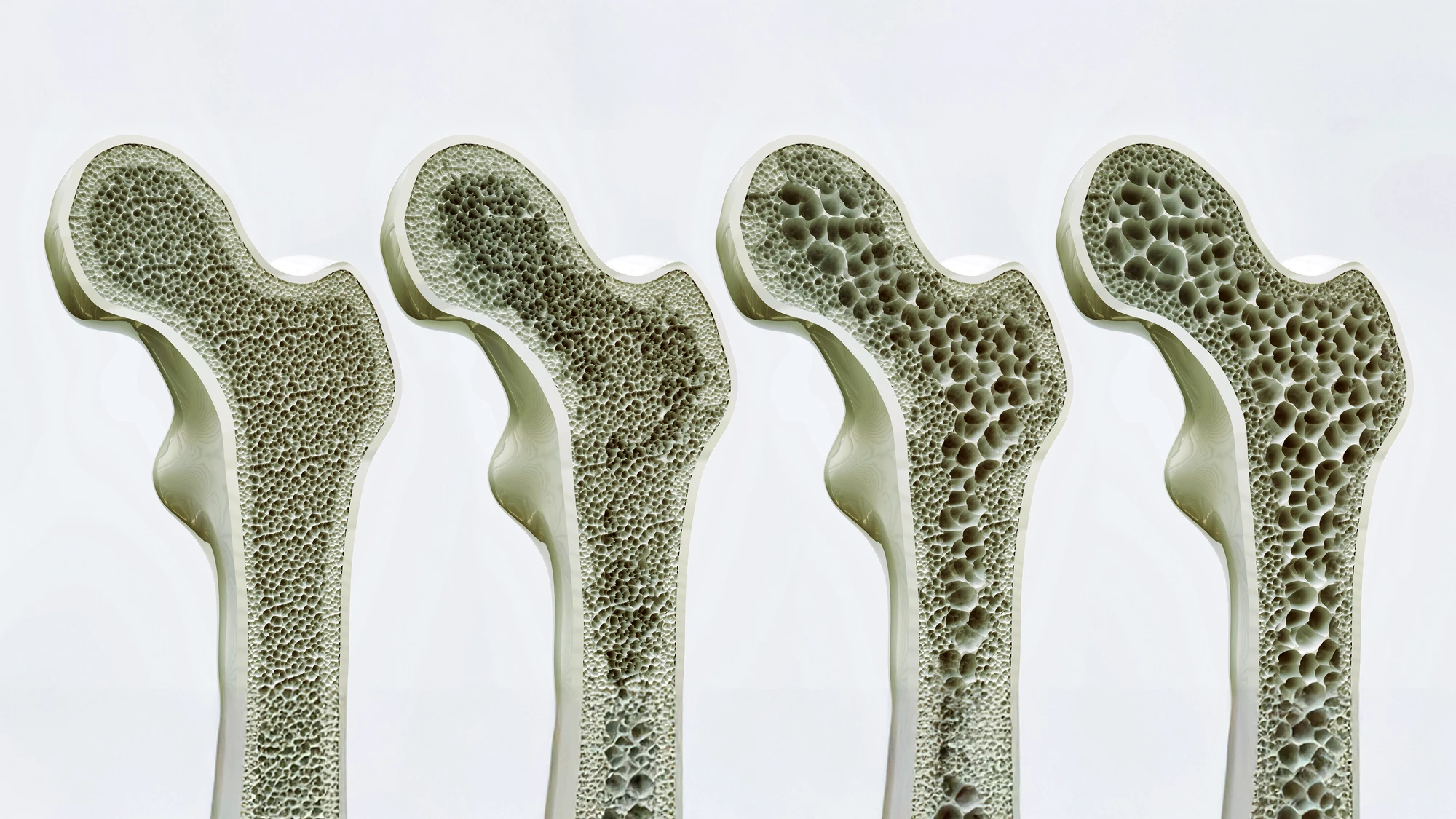
- Cortical Bone Thinning: A noticeable decrease in the thickness of cortical bones.
- Trabecular Structure Degradation: Reduced quantity and quality of trabecular bone.
- Increased Trabecular Separation: A growing gap between trabecular elements, leading to weakened bone structure.
- Lowered Bone Mineral Density: A decrease in bone mineral density, making bones more susceptible to fractures.
These changes observed in rodent models parallel the phenotypes associated with osteoporosis in humans.
Activation with AP503: A New Hope for Osteoporosis Treatment
The compound AP503 was identified through virtual structure-based screening, allowing for selective activation of GPR133 with high potency and specificity. Administering AP503 to both healthy rodents and models displaying osteopenia or osteoporosis symptoms resulted in substantial increases in bone mineral density and bone strength.
Synergistic Effects with Physical Exercise
Further research has suggested that the effectiveness of AP503 in improving bone strength is potentiated when combined with physical exercise, indicating a possible synergistic effect that could lead to even stronger bones.
Therapeutic Promise in Osteoporosis Management
Current medications for osteoporosis primarily focus on slowing down bone loss or come with significant side effects. The activation of GPR133 presents a novel therapeutic mechanism that could potentially reconstruct and fortify bone, indicating a transformative approach to osteoporosis treatment.
Broader Implications for Bone and Muscle Health
The activation of GPR133 via AP503 not only enhances bone health but is also linked to improvements in skeletal muscle strength. This could provide additional benefits, particularly for aging populations at heightened risk of both bone and muscle loss.
| Aspect | Observations |
|---|---|
| Activator Identified | AP503 |
| Observed Effects | Increase in bone strength and mineral density |
| Cells Involved | Osteoblasts, osteoclasts, and osteocytes |
| Implications for Osteoporosis | Potential for bone reconstruction, transforming osteoporosis treatment |
Conclusion: Key Takeaways on GPR133 and Osteoporosis Treatment
The identification of GPR133 as a crucial receptor for maintaining bone density opens new therapeutic avenues in the fight against osteoporosis. Initial results from animal studies are encouraging, yet further investigations are essential to ascertain both efficacy and safety in human populations. This research lays the groundwork for the development of innovative therapies aimed not only at preventing bone loss but also at promoting the recovery of bone density in patients suffering from osteoporosis.
Sources
Share this post
Like this post? Share it with your friends!