
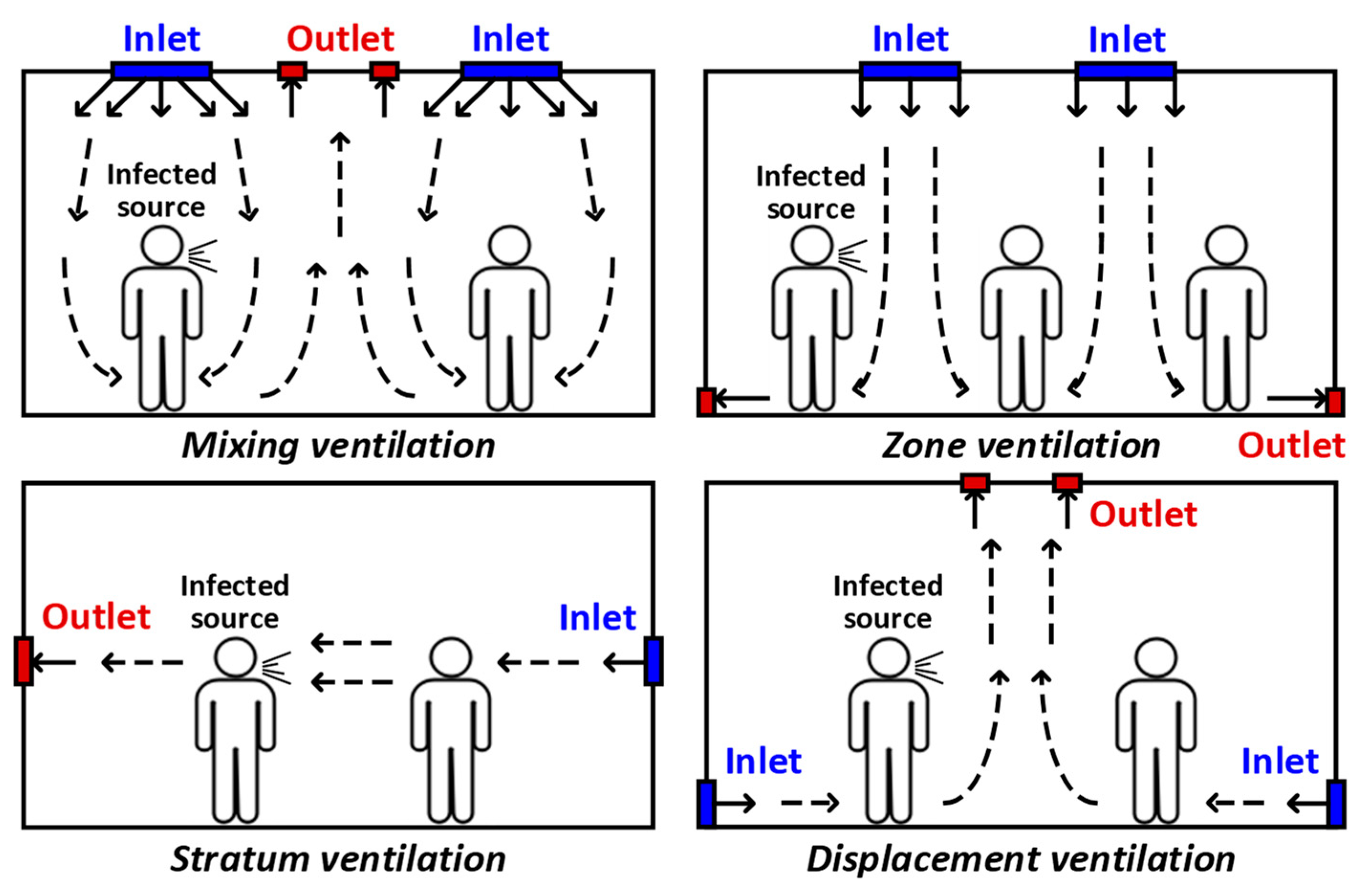
Desenvolvimento de um Novo Dispositivo de Ventilação
Desenvolvimento de um Novo Dispositivo de Ventilação
aitech.pt
aitech.pt
New Ventilation Device Reduces Infection Risk Indoors
Did you know that indoor air can be up to five times more polluted than outdoor air? This alarming statistic highlights the urgent need for innovations that enhance indoor air quality, especially in shared spaces. Scientists at the University of British Columbia Okanagan have developed an innovative ventilation device that promises to revolutionize air quality indoors and dramatically reduce the risk of infections. This device employs a groundbreaking airflow system called “jet-sink”, which captures aerosols almost instantaneously, preventing the spread of pathogens in enclosed environments.
How Does the “Jet-Sink” System Work?
The jet-sink system operates by generating a targeted airflow that captures small aerosols—such as those released from coughing or sneezing—before they can disperse throughout the room. This method not only enhances indoor air quality but also provides critical protection in shared spaces during peak infection seasons for viruses like influenza and common colds.
Research Methodology and Findings
To assess the effectiveness of this new device, researchers conducted computer simulations comparing the jet-sink system to standard ventilation systems. Here are the specifics of the study:
- Sample Size: The simulations involved data from multiple scenarios across various indoor environments to ensure reliability.
- Analysis Method: Advanced computational fluid dynamics (CFD) models were used to simulate aerosol movement and capture rates.
Results of Computational Simulations
The findings were remarkable, demonstrating the superior efficiency of the jet-sink system over conventional ventilation. The data illustrates:
| Type of Ventilation | Infection Risk (%) | Pathogen Capture Rate (%) |
|---|---|---|
| Conventional Ventilation | 91 | - |
| Jet-Sink Device | 9.5 | 94 |

These statistics reveal that the new device reduces the infection risk indoors to just 9.5%, a significant improvement from the 91% associated with traditional ventilation systems.
Enhancements in Shared Space Safety
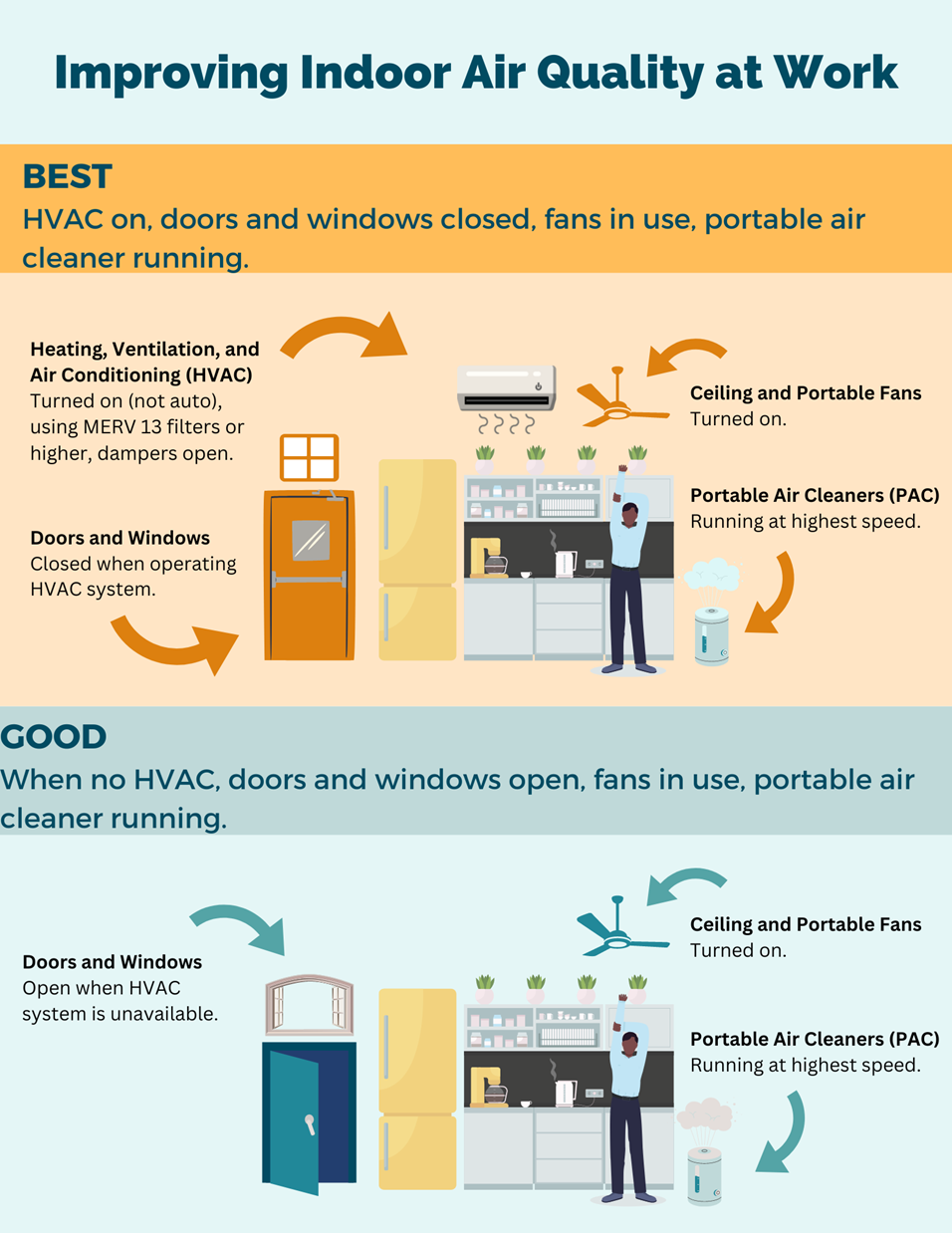
The ability to capture up to 94% of airborne pathogens represents a major leap forward in safety, particularly in environments such as:
- Schools: Enhancing health and well-being among students and staff.
- Offices: Reducing sick days and boosting overall productivity.
- Hospitals: Providing essential protection in high-risk environments.
- Public Transport: Creating safer spaces for all commuters.
Publication of Results
The research findings were published in the Building and Environment journal, not only highlighting the device’s efficacy but also signaling its potential to become a standard feature in modern ventilation systems for indoor environments.
Future Implications
The introduction of the jet-sink device could have significant public health implications, particularly during epidemic periods. Consider the potential outcomes:
- Public Health Policy Changes: A push towards integrating advanced ventilation technologies in regulatory standards.
- Education and Awareness: Programs aimed at promoting the importance of ventilation and air quality in disease prevention.
- Investment in Technology: Encouraging further research and development in ventilation and infection control technologies.
Conclusion
The new ventilation device developed by UBC Okanagan scientists marks a significant advancement in preventing disease spread in indoor environments. With its ability to effectively capture contaminated aerosols, it offers a promising solution for improving indoor air quality and overall public health. As technology continues to advance, it is anticipated that this innovation will become a commonplace practice in shared spaces, thereby fostering a safer environment for everyone.
Sources
Share this post
Like this post? Share it with your friends!