
Desenvolvimento de uma Mão Biônica Avançada na Universidade de Utah
Desenvolvimento de uma Mão Biônica Avançada na Universidade de Utah
aitech.pt
aitech.pt
University of Utah Engineers Develop Advanced Bionic Hand

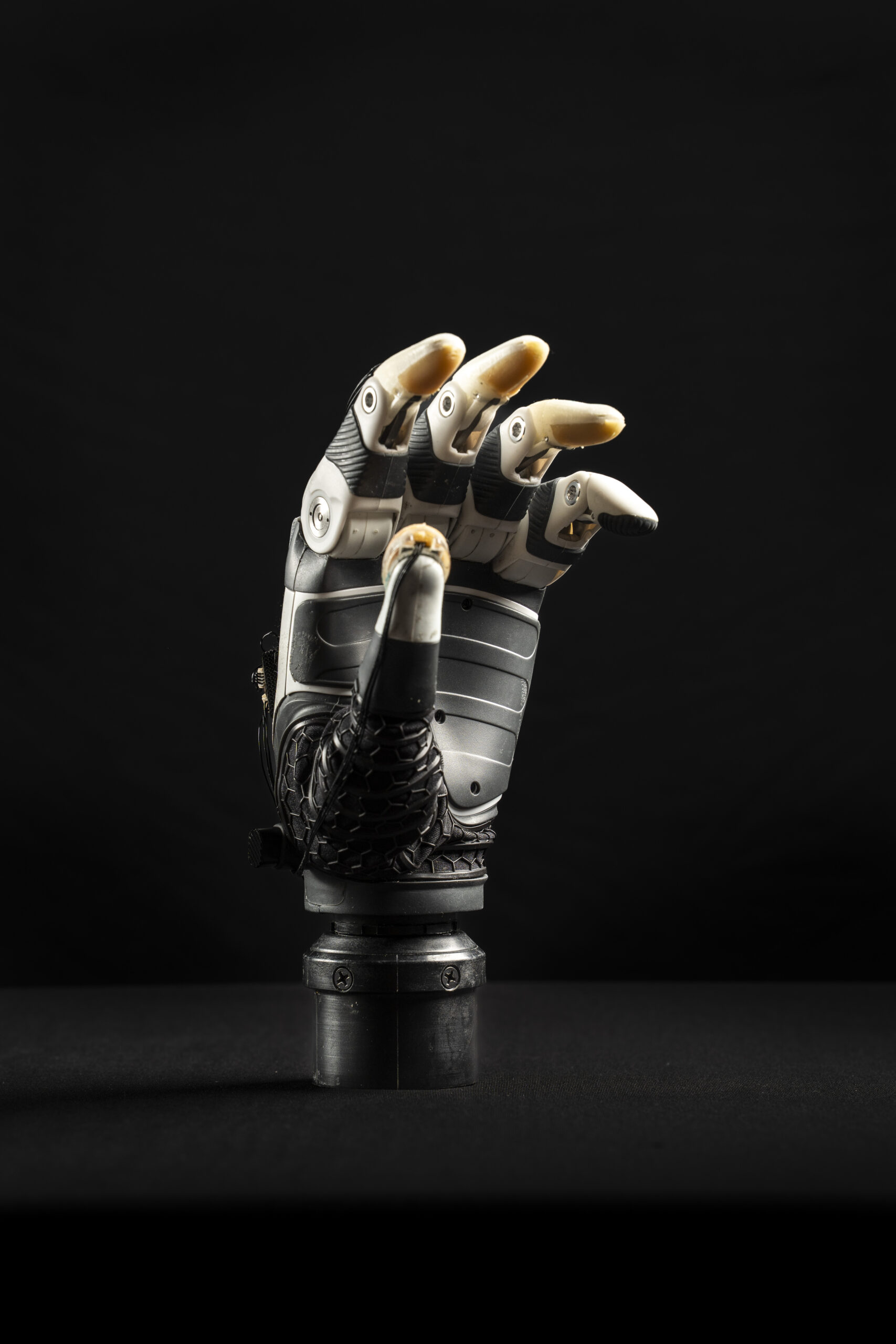
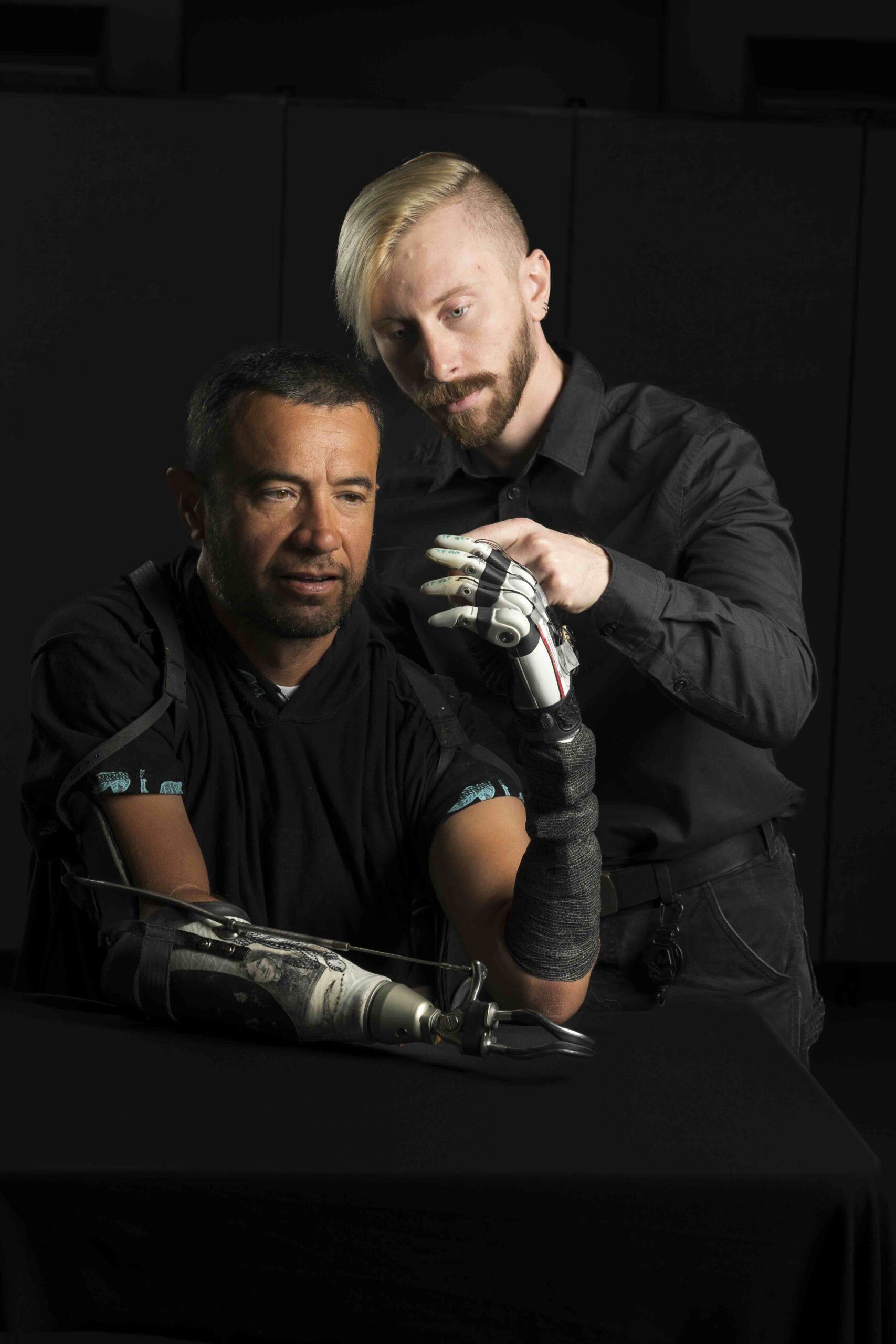
In a groundbreaking development that could redefine the future of prosthetics, engineers from the University of Utah, led by Jacob George and Marshall Trout, have unveiled an advanced bionic hand that integrates cutting-edge technology. This innovative device not only mimics the human hand’s movements but does so with unprecedented precision, thanks to its sensory systems and artificial intelligence (AI) capabilities. Below, we explore the significance of this development and its potential impact on the world of robotic hands.
Significance of the Advanced Bionic Hand
- Empowerment of Amputees: The advanced bionic hand offers enhanced functionality, which can greatly improve the quality of life for amputees.
- Integration of AI: Utilization of AI to adjust grip strength showcases the potential for smart technologies in prosthetics.
Features of the Bionic Hand
The advanced bionic hand boasts an array of remarkable features:

- Optical Proximity Sensors: Detect the approach of objects.
- Touch Sensors: Capable of perceiving subtle contact, such as a weightless cotton ball.
- AI Neural Network: Autonomously adjusts the hand’s shape and finger positions to optimize grip efficacy.
This design facilitates a natural and intuitive user experience. As the hand approaches an object, the AI positions the fingers for initial contact, allowing the user to intuitively control grip strength through muscle electrical signals.
Key Benefits for Users
Recent test trials with amputees have yielded promising results. One notable participant, Sam Matagi, who lost both hands in an electrical wire accident, reported several benefits, including:
- Enhanced Grip Security: Improved control and grip stability when handling objects.
- Precision: The ability to perform delicate tasks effortlessly.
- Reduced Cognitive Load: Shared control of the hand lowers the need for micromanaging movements.
Handling Capability
The bionic hand excels at manipulating various everyday items, such as:
- Keys
- Computer mouse
- Cups
- Small objects
Users have quickly mastered handling techniques with minimal practice, illustrating the efficacy of the innovative design.
Challenges and Future Prospects
Researchers at the Utah NeuroRobotics Lab anticipate that AI-powered prosthetics will become routine within the next 5 to 10 years. Supported by grants from the National Institutes of Health (NIH) and the National Science Foundation (NSF), the next phase of the bionic hand’s development will include:
- Integration of Neural Interfaces: Enabling mental control of the bionic hand.
- Tactile Feedback: Enhancing sensory experience for users.
Comparative Table: Traditional vs. Advanced Bionic Hands
| Feature | Traditional Prosthetics | Advanced Bionic Hand |
|---|---|---|
| Grip Adjustability | Static | AI-determined |
| Sensory Feedback | None | Integrated touch and proximity sensors |
| User Control | Limited to physical manipulation | Muscular electrical signals |
| Learning Curve | Steep | Minimal practice required |
Conclusion: A New Dawn for Prosthetics
The development of the bionic hand at the University of Utah marks a significant milestone in modern prosthetics, offering advanced functionality and a user-friendly experience. As technology progresses, we can expect to see more innovations that transform the lives of amputees, providing them with greater autonomy and improved quality of life.
Join the Conversation: What are your thoughts on the future of robotic hands and their impact on the lives of users? For more details on this groundbreaking research, feel free to explore the article on Interesting Engineering.
Sources
Share this post
Like this post? Share it with your friends!