

Exoesqueleto para mergulhadores: A inovação dos investigadores da Universidade de Pequim
Exoesqueleto para mergulhadores: A inovação dos investigadores da Universidade de Pequim
aitech.pt
aitech.pt
Chinese Researchers Build Cable-Driven Knee Exoskeleton
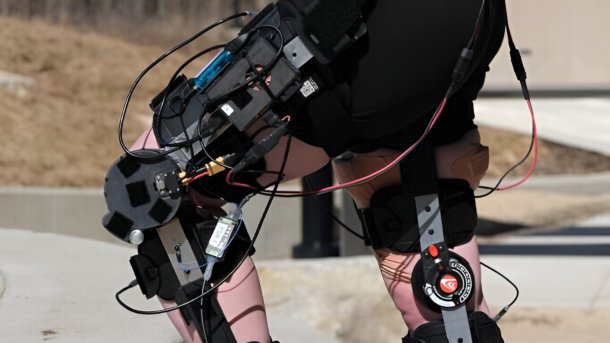
Investigators at Peking University, led by Professor Wang Qining, have developed an innovative cable-driven knee exoskeleton designed specifically for divers. This portable device aims to revolutionize diving practices by providing real-time torque assistance to the knees, particularly during the “flutter kick” technique prevalent in scuba diving. Beyond facilitating movement, this technology enhances the safety and efficiency of air usage while underwater, paving the way for various applications in diving and marine research.
Benefits of the Exoskeleton
Initial tests conducted with six experienced divers showcased remarkable results, as shown in the table below:
| Metric | Improvement |
|---|---|
| Air Consumption | 22.7% reduction |
| Quadriceps Activation | 20.9% reduction |
| Calf Activation | 20.6% reduction |
These findings indicate that using the exoskeleton significantly decreases physical exertion, alleviating fatigue traditionally associated with diving. Many divers expressed how this enhancement allows them to enjoy their time underwater more fully.
How the Exoskeleton Works
This cutting-edge exoskeleton is designed to seamlessly integrate with a diver’s natural movements. Leveraging advanced technology, it incorporates motion sensors and a force-based control system, allowing real-time adjustments tailored to user needs.
Key Components
- Bilateral Cable System: Facilitates efficient joint movement in the knees.
- Motion Sensors: Monitor and dynamically modify torque throughout dives.
- Force Control Mechanism: Ensures that assistance aligns harmoniously with the diver’s actions, maximizing energy efficiency.
Real-World Implications for Diving Activities
The implications of adopting this knee exoskeleton in marine environments are broad and promising, with noteworthy applications including:
- Extension of Dive Duration: Divers can remain underwater longer without experiencing exhaustion.
- Increased Safety: By reducing fatigue, the risk of accidents during dives diminishes.
- Advancements in Marine Research and Underwater Construction: Enhances operational efficiency in challenging environments.
- Training Support for New Divers: Acts as a training aid, assisting novices in learning safe diving techniques.
User Experiences and Future Directions
Feedback from early users has been overwhelmingly positive. Divers report improved experiences with less fatigue and greater enjoyment during their dives. As one user stated,
“This exoskeleton has changed how I approach diving. I can focus more on exploring rather than battling fatigue.”
Future enhancements might include:
- Incorporating adaptive learning algorithms to personalize assistance based on each diver’s style.
- Exploratory studies on broader applications of the exoskeleton in other sports or rehabilitation contexts.
- Expansion of technology for enhanced accessibility to improve diving experiences for all.
Publication of Research Findings
The results of this groundbreaking research were published in the IEEE Transactions on Robotics on October 14, 2025. This publication not only affirms the researchers’ efforts but also underscores the crucial role of technological innovation in underwater exploration.
Conclusion
The knee exoskeleton developed by Peking University researchers represents a significant milestone in diving technology. By reducing fatigue and enhancing efficiency, this innovative device is set to benefit recreational divers and opens new opportunities in marine research and underwater construction. With improvements in safety and air economy, the exoskeleton allows divers to explore the underwater world more effectively and securely.
Sources
Share this post
Like this post? Share it with your friends!