
Fones de Ouvido Inteligentes Potenciados por AI: Melhorando a Clareza da Fala em Ambientes Barulhentos
Fones de Ouvido Inteligentes Potenciados por AI: Melhorando a Clareza da Fala em Ambientes Barulhentos
aitech.pt
aitech.pt
New Headphones Filter Out Crowd Noise, Boosting Speech Clarity
🎥 Watch: Video on YouTube
Imagine sitting in a bustling cafe, surrounded by chatter and noise, yet being able to focus solely on the person across from you, as if the chaos faded away. Thanks to groundbreaking advancements in AI headphone technology developed by researchers at the University of Washington, this incredible feat is now possible. By effectively filtering out crowd noise, these innovative headphones significantly enhance speech clarity, revolutionizing not just how we listen, but how we communicate in our increasingly noisy world.
The Power of AI in Headphone Technology
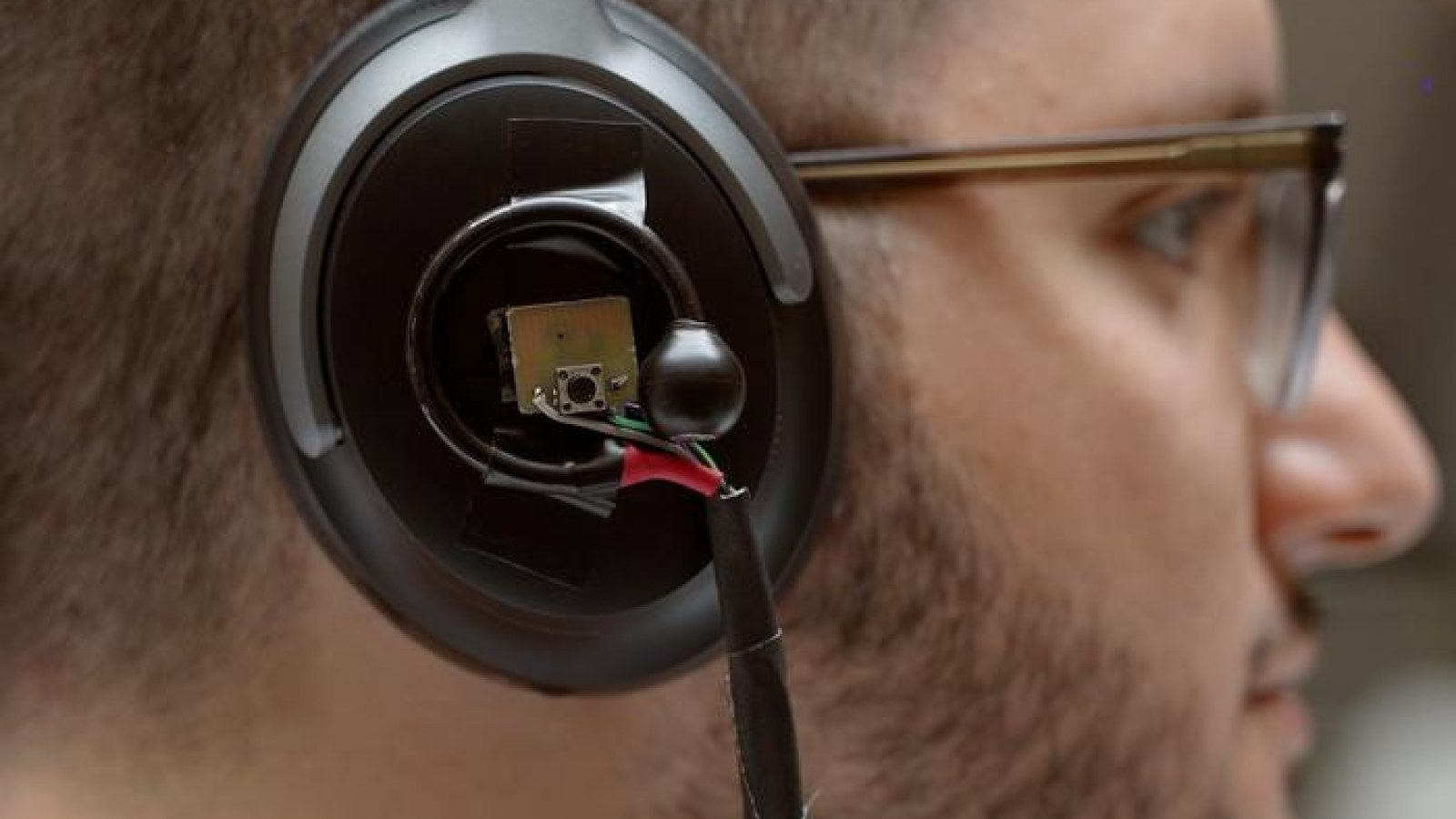
Recent developments in audio technology have been impressive. Among the latest breakthroughs is a prototype of smart headphones that use artificial intelligence to isolate and amplify specific voices against background noise. This innovation holds promise not only for conventional headphones but also for hearing aids and other audio devices.
Innovative Technologies Behind the Headphones
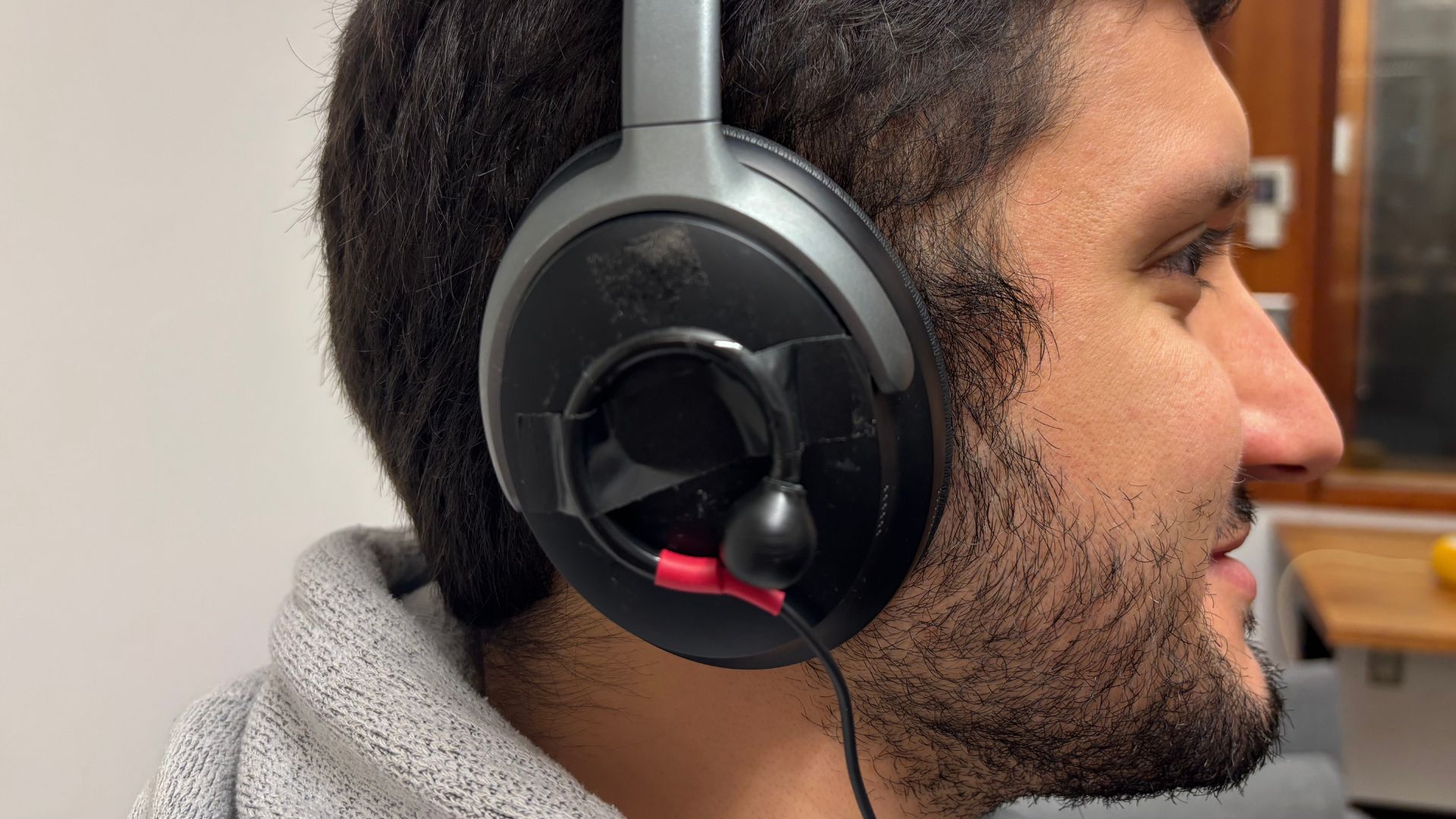
The new AI headphones build upon existing noise-cancellation technology, enhanced with small microphones and neural networks integrated into the devices. This allows for real-time audio processing. The key technologies include:

- Target Speech Listening: Users can focus on a specific voice by looking at the speaker for 3-5 seconds and pressing a button. The AI suppresses all other sounds, reproducing only the targeted voice. In tests with 21 subjects, auditory clarity was rated nearly double the original levels.

- Sound Bubble Mode: This feature creates a programmable radius (1 to 2 meters) where voices inside the area are amplified while outside sounds are diminished by an average of 49 decibels. Utilizing sound reflections and phase differences, it estimates distances. The research’s code was published in Nature Electronics on November 14, 2024, and is available as open-source.

- Advanced Multi-Speaker Version: This version tracks multiple conversations simultaneously without requiring the user to turn toward the speakers. It supports up to four additional voices alongside the user, using two AI systems to isolate and amplify voices with low latency.
How Does It Work?
The AI in these headphones distinguishes sounds through training with voice patterns, frequencies, and phases. While currently optimized for indoor environments, outdoor performance and microphone arrangements for headphones and hearing aids are in development.
Development Progress
Led by researcher Shyam Gollakota, the team is forming a startup to commercialize this technology, which builds upon a previous concept known as “semantic hearing,” now extended to natural sounds like birdsong.
Technology Comparison Table
| Technology | Description | Applications |
|---|---|---|
| Target Speech Listening | Identifies and isolates a speaker’s voice after a brief observation period. | Hearing aids, headphones |
| Sound Bubble Mode | Amplifies voices within a specific radius while reducing external sounds. | Noisy environments, social events |
| Advanced Multi-Speaker Version | Supports multiple conversations without needing to turn towards the speakers. | Group discussions, meetings |
The Communication Revolution
The innovations introduced by these AI headphones promise to transform auditory experiences and have significant implications for social inclusion. For individuals with hearing difficulties, the ability to filter background noise could be crucial for restoring their ability to engage in conversations in social settings.
Imagine a world where dialogue becomes more accessible and human interaction is enhanced in traditionally challenging environments. This technology also stands to benefit educational contexts, enabling students to hear their teachers more effectively in noisy classrooms.
Conclusion
The innovative headphones developed by the University of Washington represent a substantial leap in audio technology. By leveraging artificial intelligence to filter out noise and amplify speech, these devices can potentially transform the experience of listening and improve communication in loud environments.
The commercial rollout of this technology could lead to significant improvements in the quality of life for many, particularly those with hearing impairments. We will continue to monitor the progress of this research and its impact on the hearing device market and how we interact with the world around us.
Sources
Share this post
Like this post? Share it with your friends!