
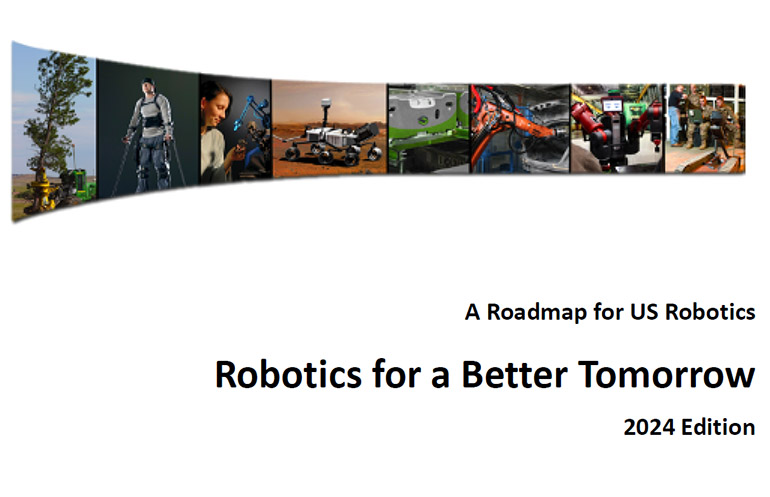
Início da Iniciativa de Robótica do Governo dos EUA
Início da Iniciativa de Robótica do Governo dos EUA
aitech.pt
aitech.pt
US Government’s Robotics Initiative
Introduction to the US Government’s Robotics Initiative

The U.S. government is embarking on a transformative path to secure its position in the rapidly evolving robotics landscape. As part of this initiative, anticipated executive orders are set to take effect by 2026, marking a strategic response to the escalating competitive pressure from China’s advancements in industrial robotics. It aims to bolster the U.S. robotics industry through tax incentives, federal funding, and regulatory support, fostering innovation and maintaining national security.

Context of the Initiative
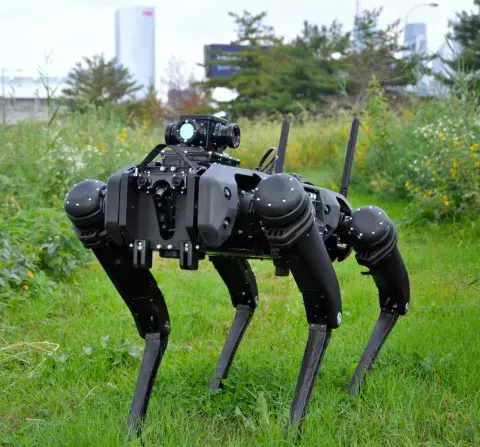
In response to the aggressive expansion of China’s capabilities in robotics, the U.S. is taking decisive measures to strengthen its competitive edge. Led by Secretary of Commerce Howard Lutnick, this initiative collaborates with industry leaders such as Apptronik, Boston Dynamics, and Tesla to redefine the future of robotics in America.
Key Insight: This initiative is pivotal, not only because it shifts focus from artificial intelligence (AI) to the importance of robust physical hardware but also because it encompasses a broader spectrum of integrated intelligence within robotics.
Key Aspects of the Initiative
- AI Integration: Emphasizes the development of cohesive systems where AI works seamlessly with robotics.
- Robotics as a National Security Focus: Establishes a competitive field akin to a “space race,” highlighting the importance of robotics for both the economy and national defense.
- New Industrial Policy: Reflects a proactive stance through potential tax incentives and support to boost robotics research and implementation within the U.S.
Strategic Details
To accomplish the ambitious goals set forth by the initiative, several strategies and policies will be implemented. Expected components of the robotics policy include:
Tax Incentives: Introduce deductions or credits that incentivize businesses to invest in robotics development.
Federal Funding: Allocation of resources to foster research and technological advancements within the robotics sector.
Regulatory Support: Streamlining regulations to expedite the creation and deployment of industrial robots.
Comparison of Strategies
The following table compares the U.S. approach to robotics with that of China, highlighting the contrasting strategies each nation employs:
| Characteristic | China | United States |
|---|---|---|
| Funding | Heavily subsidized by the state | Through tax incentives and federal funding |
| Strategic Focus | Mass production of industrial robots | Integration of AI with robotic hardware |
| Industry Development | Focus on cost efficiency | Focus on innovation and technological advancement |
| Government Action | Direct and continuous intervention | Approach through laws and incentives |
Implications for the Robotics Industry
The implications of the Trump administration’s strategy are profound, impacting not only the U.S. robotics industry but also the global market:
- Accelerated Technological Innovations: Increased investment and policy support may lead to groundbreaking advancements in robotics technologies.
- Enhanced Competitiveness: U.S. companies are poised to compete more effectively against heavily funded Chinese rivals in the robotics domain.
- Military and Defense Benefits: The initiative is expected to bolster military applications of robotics, directly benefiting national security efforts.
Conclusion
The U.S. government’s robotics initiative is a pivotal step in addressing the significant challenges posed by China’s dominance in robotic technology. With a focus on support initiatives, innovation, and national competitiveness, this strategy aims to secure the future of American robotics. By fostering a robust framework that champions the integration of AI and physical systems, the initiative will not only reshape the industrial landscape but also redefine America’s role in global technology leadership.
Call to Action
As citizens, stakeholders, and innovators, it is crucial to stay informed about these initiatives. Consider engaging with local robotics companies, educational institutions, or governmental forums to contribute to the dialogue. The future of robotics is being built today—be part of the revolution!
Sources
- Humanoids Daily: White House Eyes Robotics Executive Order
- JD Supra: White House Issues Genesis Mission
- ROI Coalition: Trump Administration Weighs New Executive Order on Robotics
- White House Fact Sheet: AI for Scientific Discovery
- Global Policy Watch: Drafts Executive Order to Preempt State AI Laws
- AI.gov
- Robotics 247: National Robotics Strategy
- Politico: Looking to Robots
- IFR: Executive Summary on Industrial Robots
Share this post
Like this post? Share it with your friends!