
Inovação Médica na Reimplantação de Orelhas
Inovação Médica na Reimplantação de Orelhas
aitech.pt
aitech.pt
Chinese Team Completes World’s First Full Ear Reattachment
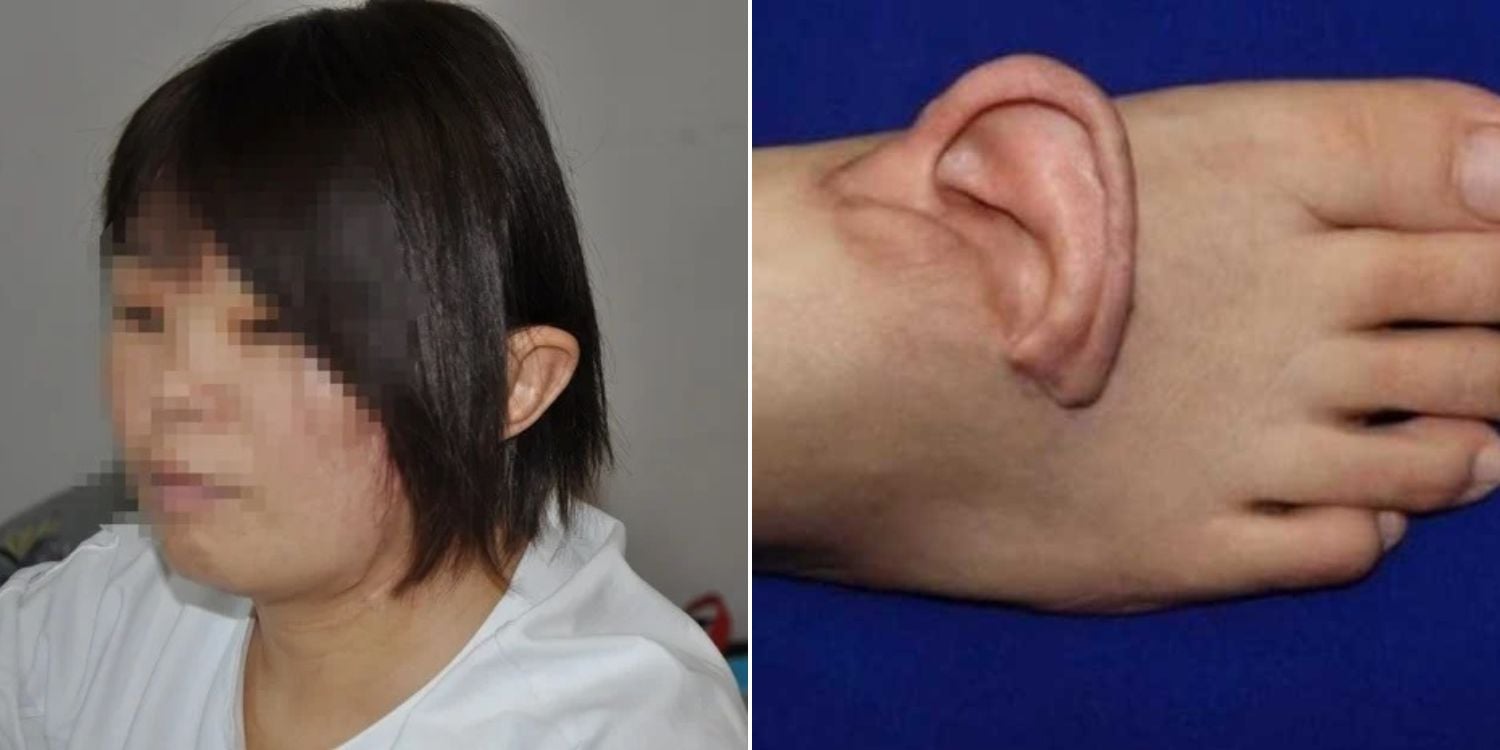
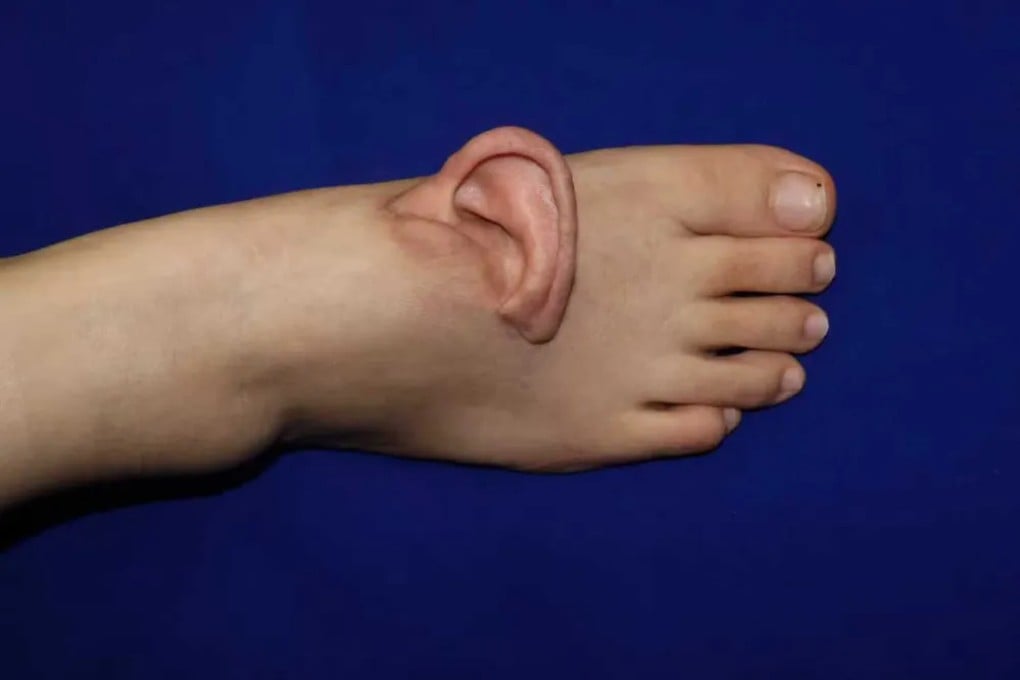
In a groundbreaking medical achievement, a team of surgeons from Shandong Provincial Hospital in Jinan, China, successfully completed the world’s first full ear reattachment procedure. This innovative surgical technique involved preserving a severely damaged ear by grafting it to the patient’s foot for a duration of five months before reattaching it to the head. This procedure not only showcases advancements in surgical methods but also marks a significant milestone in reconstructive surgery.

The Accident
In April, a 30-year-old woman, identified only by her surname Sun, was involved in a serious work accident with heavy machinery. The incident resulted in the complete loss of her left ear, along with significant injuries to her scalp, neck, and facial tissue from the trauma.
Initial Challenges
The surgical team confronted immediate challenges in attempting to reattach the ear. The primary obstacle was severe vascular damage in the patient’s head and neck, which prevented immediate reattachment. To address this issue, the team, led by Deputy Director Qiu Shenqiang, opted to graft the ear onto the patient’s foot, where the blood vessels (ranging from 0.2 to 0.3 mm in thickness) matched those of the ear, ensuring adequate blood flow.
The Procedure
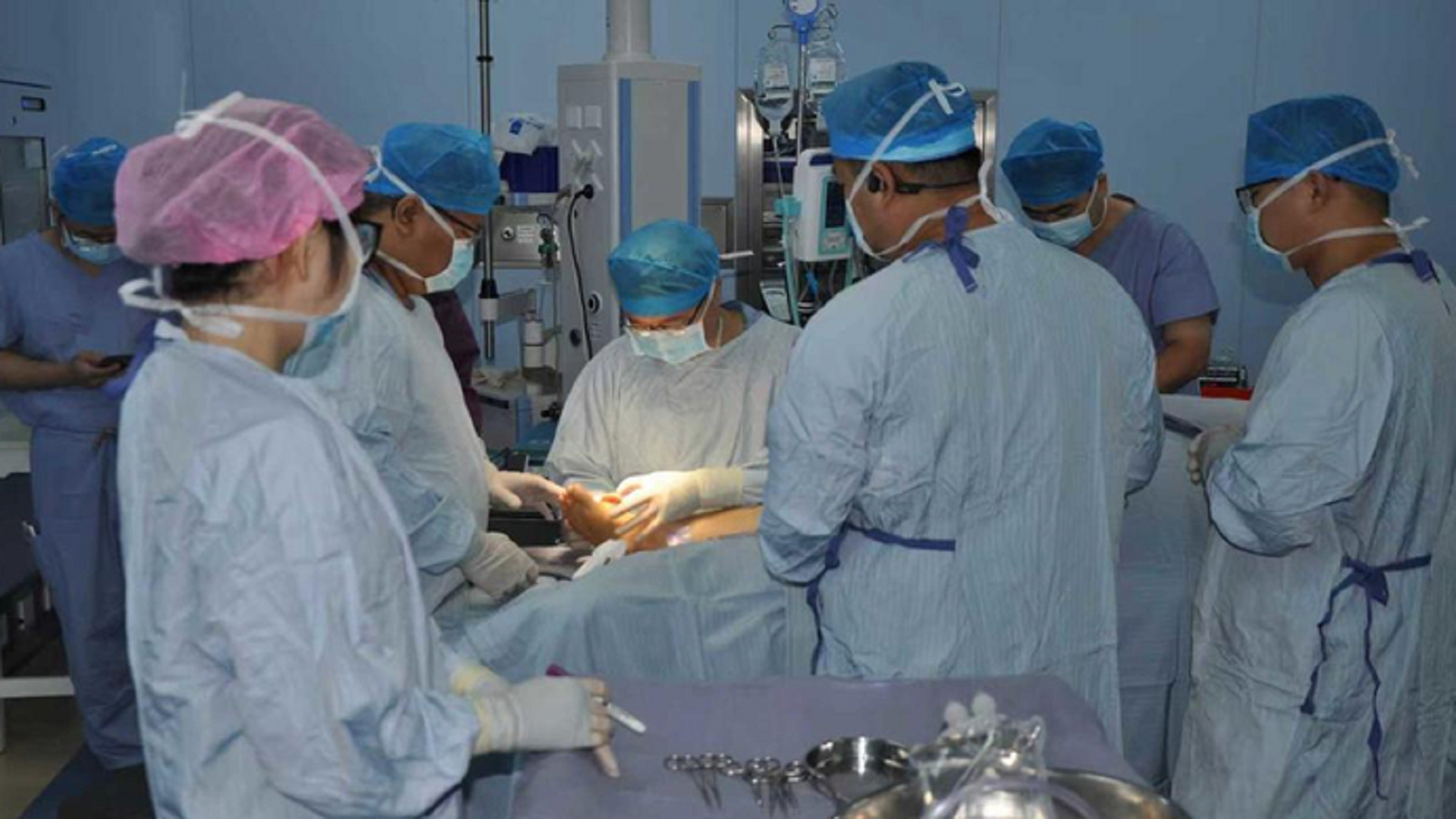
The grafting process required complex microsurgery that lasted approximately 10 hours. Here are the detailed steps involved in the surgical procedure:
- Grafting: The severed ear was carefully grafted onto the patient’s foot.
- Restoration of Blood Flow: After five days, the ear exhibited purple-black discoloration due to circulation issues. The medical team performed around 500 manual blood flow sessions over five days to restore proper blood circulation.
- Healing Process: During this time, the patient’s scalp was treated with skin grafts taken from her abdomen.
- Reattachment: After five months of healing, a second reattachment surgery was performed, lasting six hours, setting a new global record.
Achieved Results
Following the successful reattachment in October, the patient regained significant functionality of her ear. She was invited for follow-up consultations to address some scarring on her eyebrows and leg resulting from the initial procedure.
Comparison with Previous Innovations
This pioneering technique exemplifies the innovative spirit of Chinese medicine, echoing a previous case from 2013 when facial tissue was grown from skin from a patient’s leg and transplanted into an affected area. The table below highlights the key differences between these two groundbreaking cases:
| Characteristic | Current Case (2025) | Previous Case (2013) |
|---|---|---|
| Type of Procedure | Total ear reattachment | Facial tissue transplant |
| Donor Site | Patient’s foot | Patient’s leg |
| Duration of Procedure | 10 hours (grafting) & 6 hours (reattachment) | Variable, depending on complexity |
| Recovery | Major functionality recovered | Aesthetic and functionality in specific area |
Conclusion
The reattachment of patient Sun’s ear stands as a testament to the advancements in surgical technology and the capability of surgeons to overcome unimaginable challenges. This achievement not only marks a new chapter in aesthetic and functional body reconstruction but also paves the way for future innovations in regenerative medicine.
“This procedure is not only a technical triumph but a testament to the power of modern medicine,” states Dr. Qiu Shenqiang.
Reports on this procedure and its execution have been widely corroborated, cementing its uniqueness and success.
For more information about the procedure, check out the sources below:
Sources
Share this post
Like this post? Share it with your friends!