

Inovação na Navegação Espacial: A Inteligência Artificial a Guiar o Robô Astrobee da NASA
Inovação na Navegação Espacial: A Inteligência Artificial a Guiar o Robô Astrobee da NASA
aitech.pt
aitech.pt
Stanford Researchers Deploy AI System to Guide NASA’s Astronaut Robot
In a groundbreaking advancement, researchers at Stanford University have deployed a cutting-edge AI system that autonomously controls the Astrobee robot aboard the International Space Station (ISS). This innovative technology has enabled the compact robot to navigate securely and efficiently for four hours, reducing the planning time for trajectories by 50-60% compared to conventional methods. This highlights the promising role of NASA robotic automation in the realm of space exploration.

Key Details of the Experiment
Understanding the Astrobee Robot and the ISS Environment
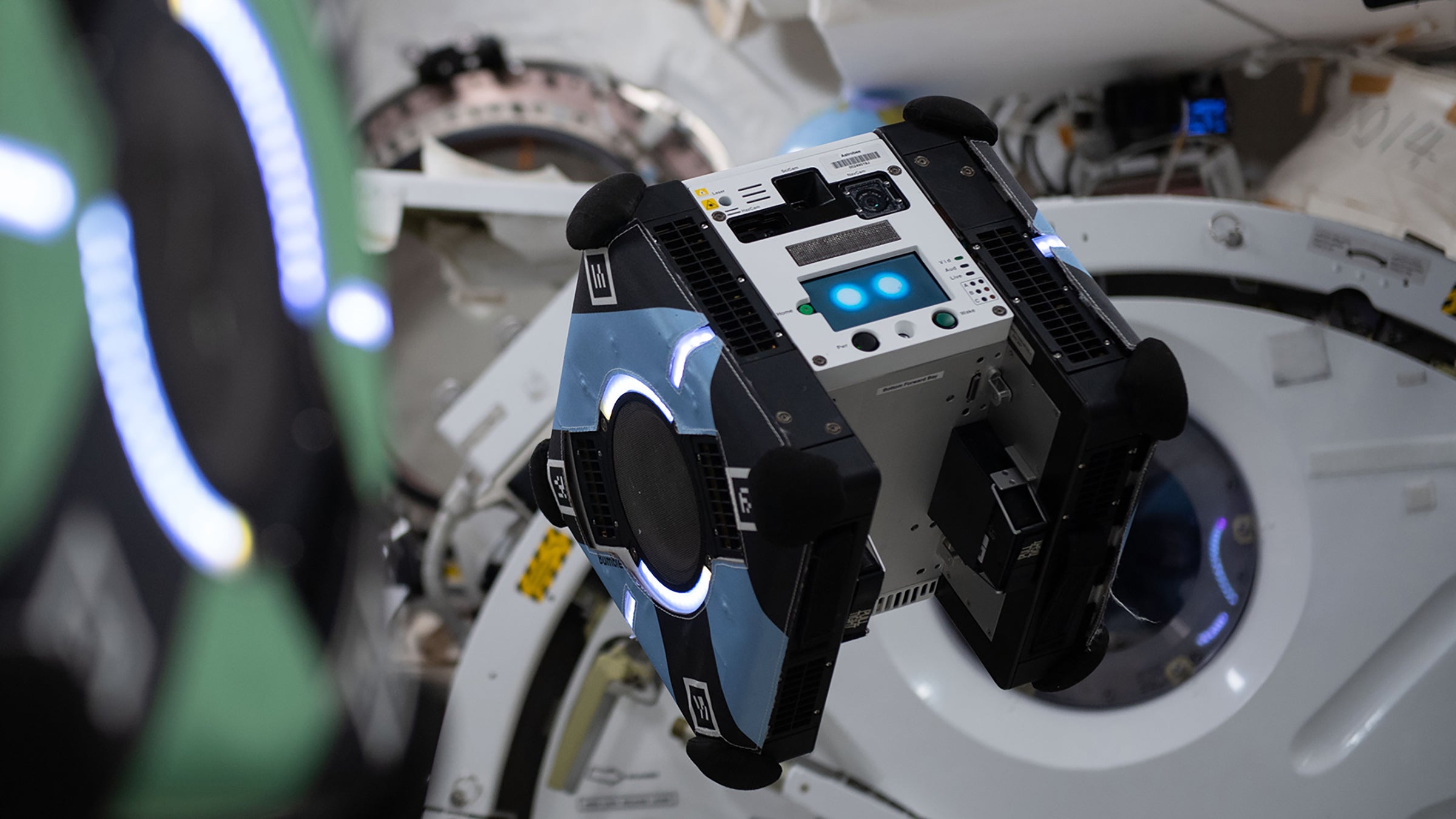
- Robot Overview: The Astrobee is a cube-shaped robot, roughly the size of a toaster, equipped with fans to propel it through the ISS. Its designed purposes include:
- Transporting supplies
- Detecting leaks in the ISS’s complex modules
- Navigating challenging environments in microgravity
AI Technology at Work
- Methodology: The AI system leverages sequential convex programming, enhanced through machine learning techniques. It is trained on thousands of prior trajectories, creating an initial “load” that accelerates path planning while maintaining safety.
- Safety Measures: During its operation, virtual obstacles and stop mechanisms were implemented to prevent collisions.
Challenges Encountered
- Ensuring precise control over the robot amidst floating objects and intricate structures.
- Reducing human intervention to enhance the system’s autonomy.

Testing Process
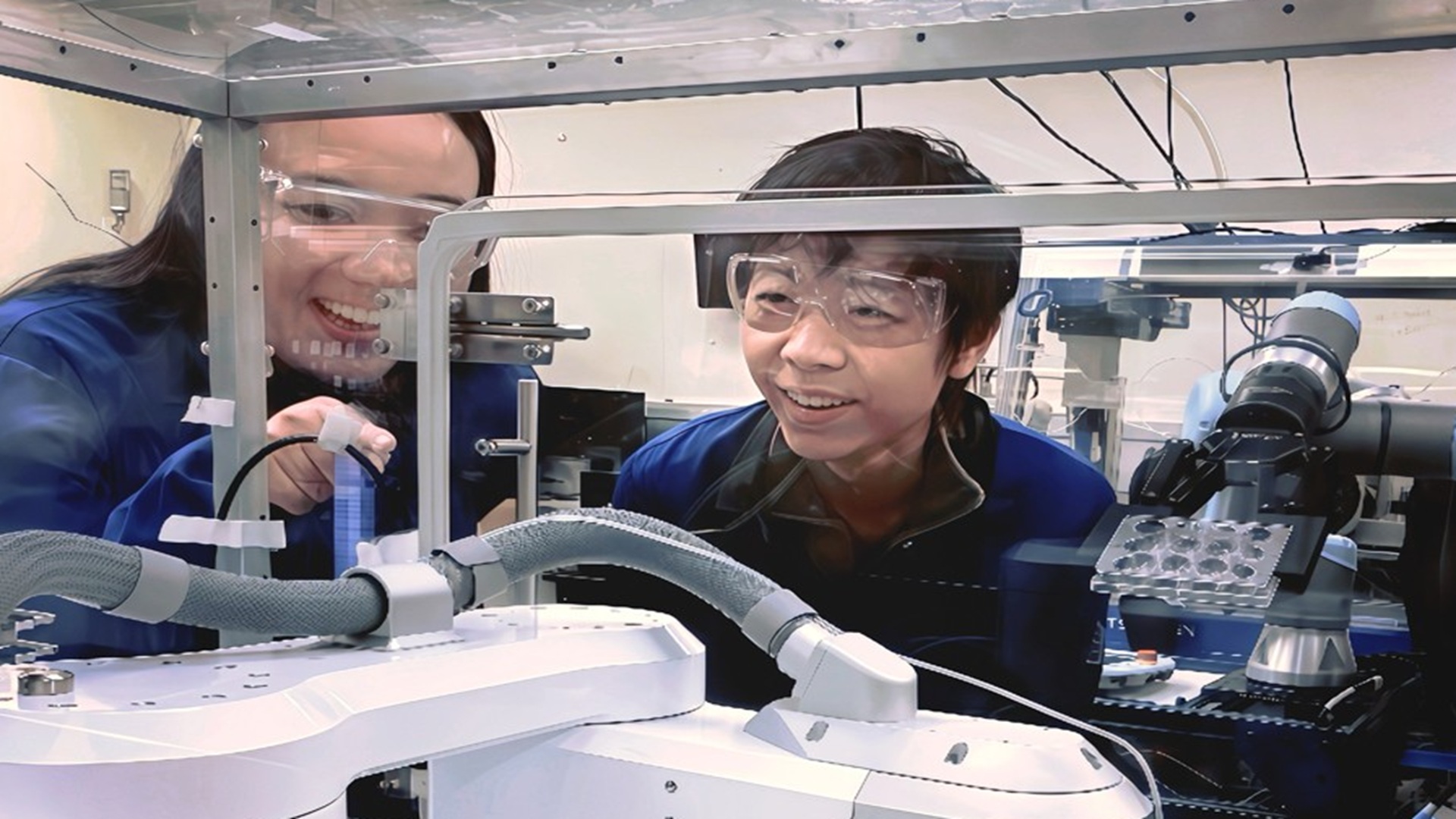
- Pre-Launch Validation: Initially validated at NASA’s Ames Research Center in a low-gravity testing environment, astrobiologists minimalistically configured the robot on the ISS and executed tests divided into two distinct phases:
- AI-Assisted Testing: Direct deployment of the AI systems.
- Non-AI Testing: Comparing outcomes to evaluate the enhancement provided by AI.
Ground controllers at Johnson Space Center guided 18 trajectories, each one rigorously evaluated with and without AI assistance over four hours in a “minimalist” scenario.

Results and Impact
- Increased Efficiency: Utilizing the AI system resulted in 50-60% faster path planning, which is particularly significant in narrow, crowded areas. This marks the inaugural operation of an AI-controlled robot on the ISS.
- Advancements in Autonomy: This achievement is pivotal in driving the autonomy of future missions to the Moon or Mars, where robots can undertake mundane tasks, thereby allowing astronauts to focus on critical operations. Such developments deepen our reliance on AI in space exploration.
Acknowledgment and Publication
The research has been documented in a preprint on arXiv and presented at the 2025 International Space Robotics Conference (iSpaRo). This recognition underscores NASA’s readiness to implement these advanced technologies in real-world scenarios.
Conclusion
The deployment of artificial intelligence to guide the Astrobee is a significant milestone in robotic space technologies. This advancement not only enhances operational efficiency within the confined environment of the ISS but also sets the stage for greater autonomy in future space missions. With ongoing advancements in AI, we look forward to a future where robots and humans cooperate closely, expanding the frontiers of space exploration.
For a more detailed overview of the experiment, check out the full video on YouTube.
Sources
Share this post
Like this post? Share it with your friends!