

Monitorização da Saúde das Baleias com Drones
Monitorização da Saúde das Baleias com Drones
aitech.pt
aitech.pt
Scientists Use Drones to Monitor Whale Health
In recent years, the innovative use of drones in scientific research has revolutionized several fields, especially in whale health monitoring. Researchers are deploying advanced technologies to collect non-invasive samples from whales, gaining critical insights into their health while ensuring minimal disruption. This article delves into this fascinating intersection of technology and marine biology.
What is “Whale Blow”?
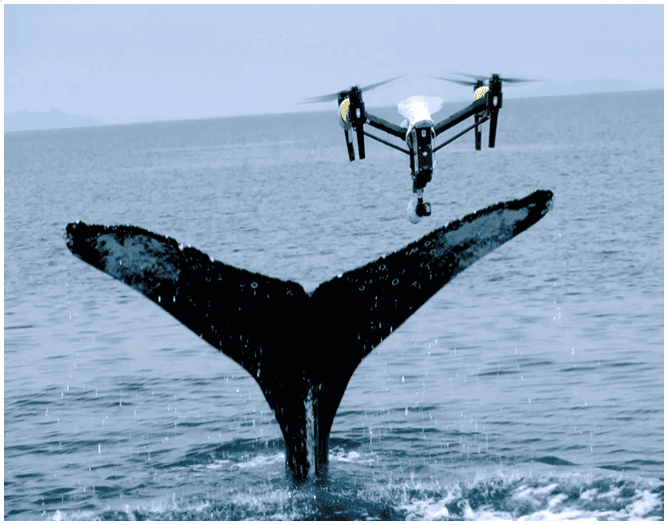
The term “whale blow” refers to the vapor and droplets expelled by whales when they surface to breathe. These exhalations contain valuable data about the animals’ health, including the presence of microorganisms, pathogens, and various health indicators.
How Drone Monitoring Techniques Work
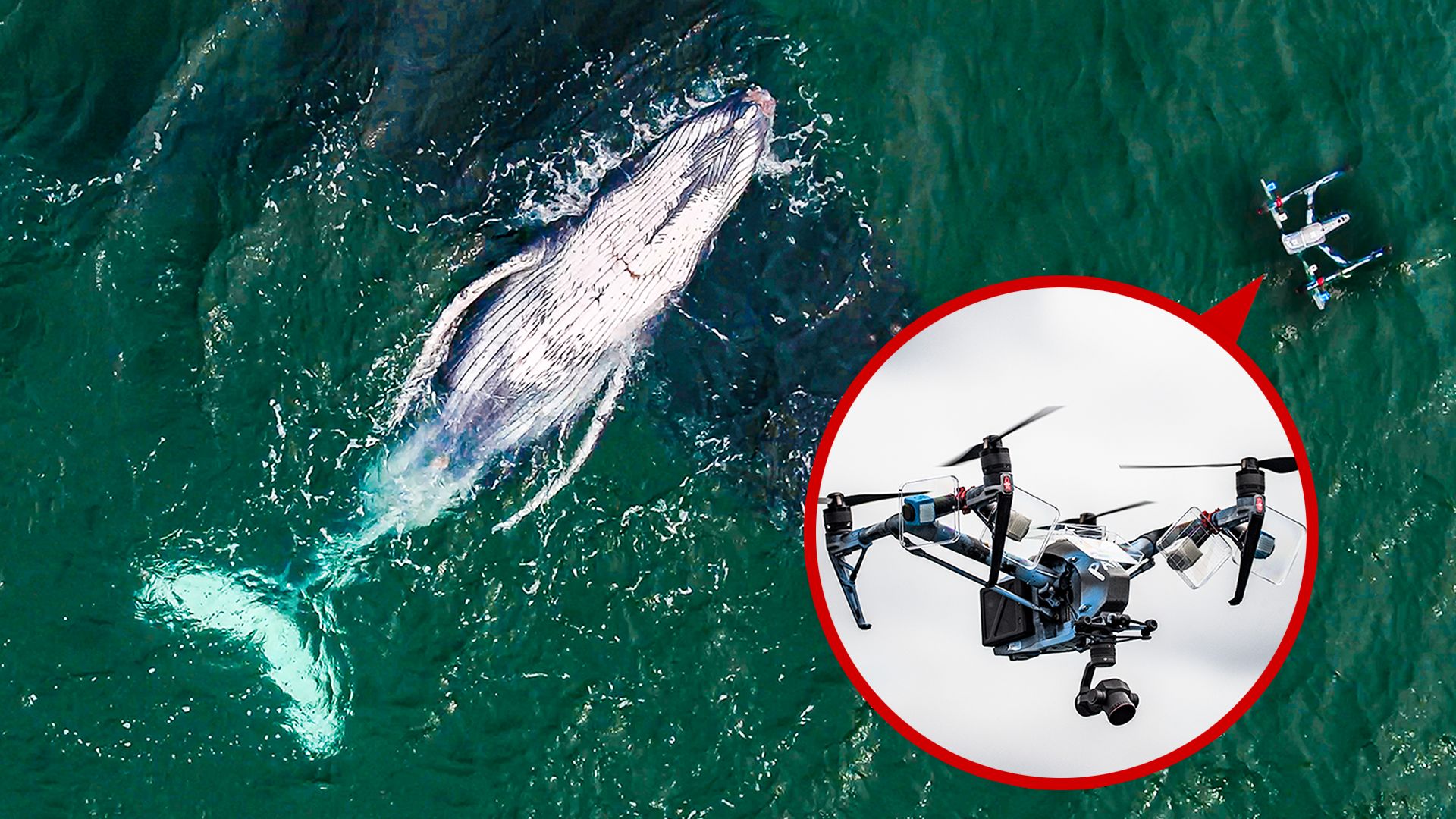
Researchers utilize drones equipped with sterile Petri dishes to fly over the blowholes of whales during their exhalation. The drones effectively capture the expelled droplets without physical contact with the whales, reducing stress to these majestic creatures. This non-invasive technique has proven quieter and more stable compared to sampling from boats, lessening behavioral disturbances in the animals.
Key Discoveries and Applications
Several studies have been conducted to assess the health of various whale species through drone technology. Here are some notable findings:
Orcas: More than 1,000 breath samples from the Salish Sea ecosystem contributed to the conservation of the critically endangered Southern Resident orca population (fewer than 70 individuals).
North Atlantic Right Whales: From 2016 to 2024, 103 samples from 85 whales revealed unique microbial patterns linked to the whales’ body condition (healthy vs. malnourished). This research combines microbiology with drone imagery and ecological data.
Arctic Whales: Between 2016 and 2025, samples were collected from humpback, sperm, and fin whales in regions such as Norway, Iceland, and Cape Verde. For the first time, cetacean morbillivirus was detected above the Arctic Circle, enhancing pathogen surveillance amid environmental changes.
| Species | Location | Samples Collected | Discoveries |
|---|---|---|---|
| Orcas | Salish Sea | > 1,000 | Health data, conservation of the population |
| North Atlantic Right Whales | North Atlantic | 103 | Microbial patterns related to health |
| Arctic Whales | Norway, Iceland, Cabo Verde | Varied | Cetacean morbillivirus detected |
Collaboration and Innovation
Scientists from renowned institutions such as UC Davis, Woods Hole Oceanographic Institution, NOAA, and Nord University are at the forefront of this groundbreaking research. They describe this drone-based technique as a game-changer for real-time, low-impact monitoring in hard-to-reach areas.
The collected samples undergo molecular tests for viruses, bacteria, and health markers. Often, these analyses are complemented by photogrammetry or biopsies, leading to a comprehensive understanding of whale health.
Conclusion
The deployment of drones in whale health monitoring represents a significant advancement in research on these magnificent animals. By minimizing stress and maximizing data collection efficacy, scientists are now able to gain crucial insights into the health of whale populations in environments where traditional research methods might be impractical. This innovation not only aids in conservation efforts for threatened species but also provides vital information regarding changes in marine ecosystems.
For further reading on this exciting development, you can explore articles from BBC and Woods Hole Oceanographic Institution.
Sources
Share this post
Like this post? Share it with your friends!