

Nascimento de uma Nova Esperança na Luta contra Tumores Cerebrais
Nascimento de uma Nova Esperança na Luta contra Tumores Cerebrais
aitech.pt
aitech.pt
Scientists Develop Nasal Drops That Wipe Out Aggressive Brain Tumors in Mice
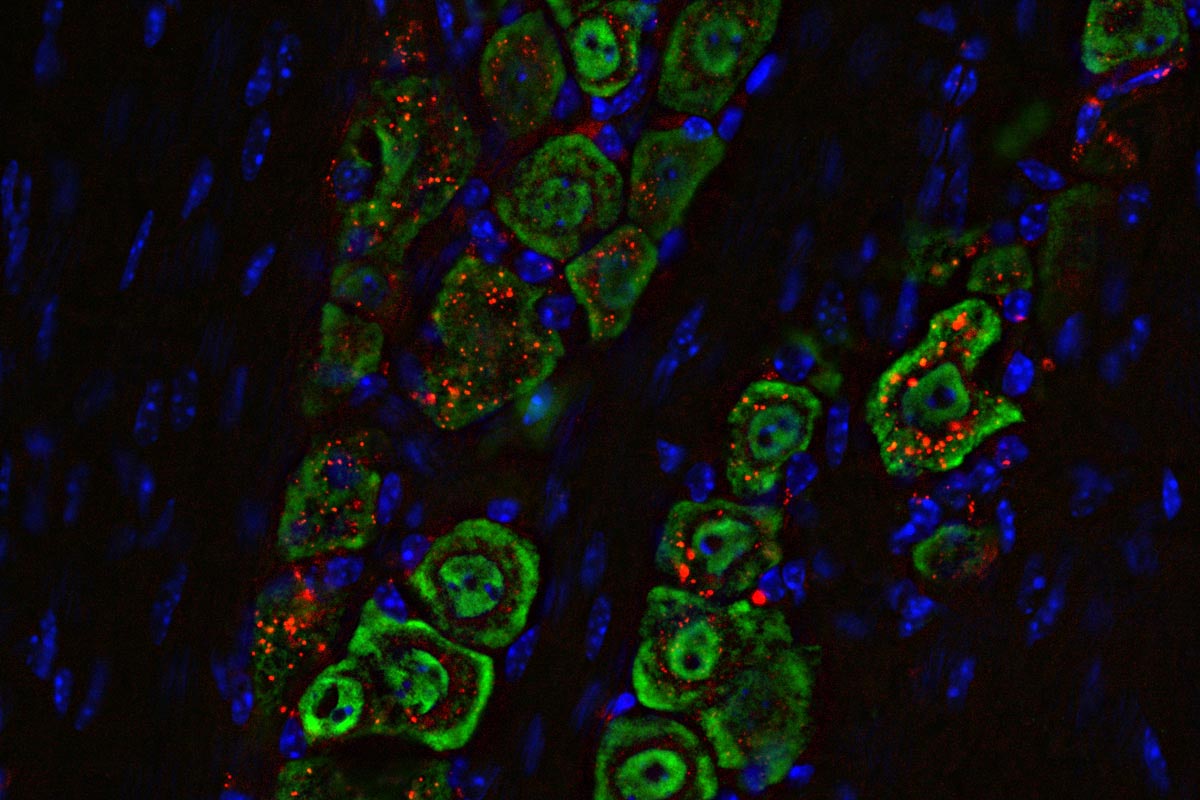
Recent studies reveal that a team of scientists has developed a groundbreaking treatment that could transform our approach to aggressive brain tumors, particularly glioblastoma—a highly lethal form of brain cancer. This innovative method uses nasal drops formulated with gold nanoparticles to activate the brain’s immune system, effectively wiping out tumors without invasive procedures or direct brain injections.
The Technology Behind the Innovation

Gold Nanoparticles and Spherical Nucleic Acids
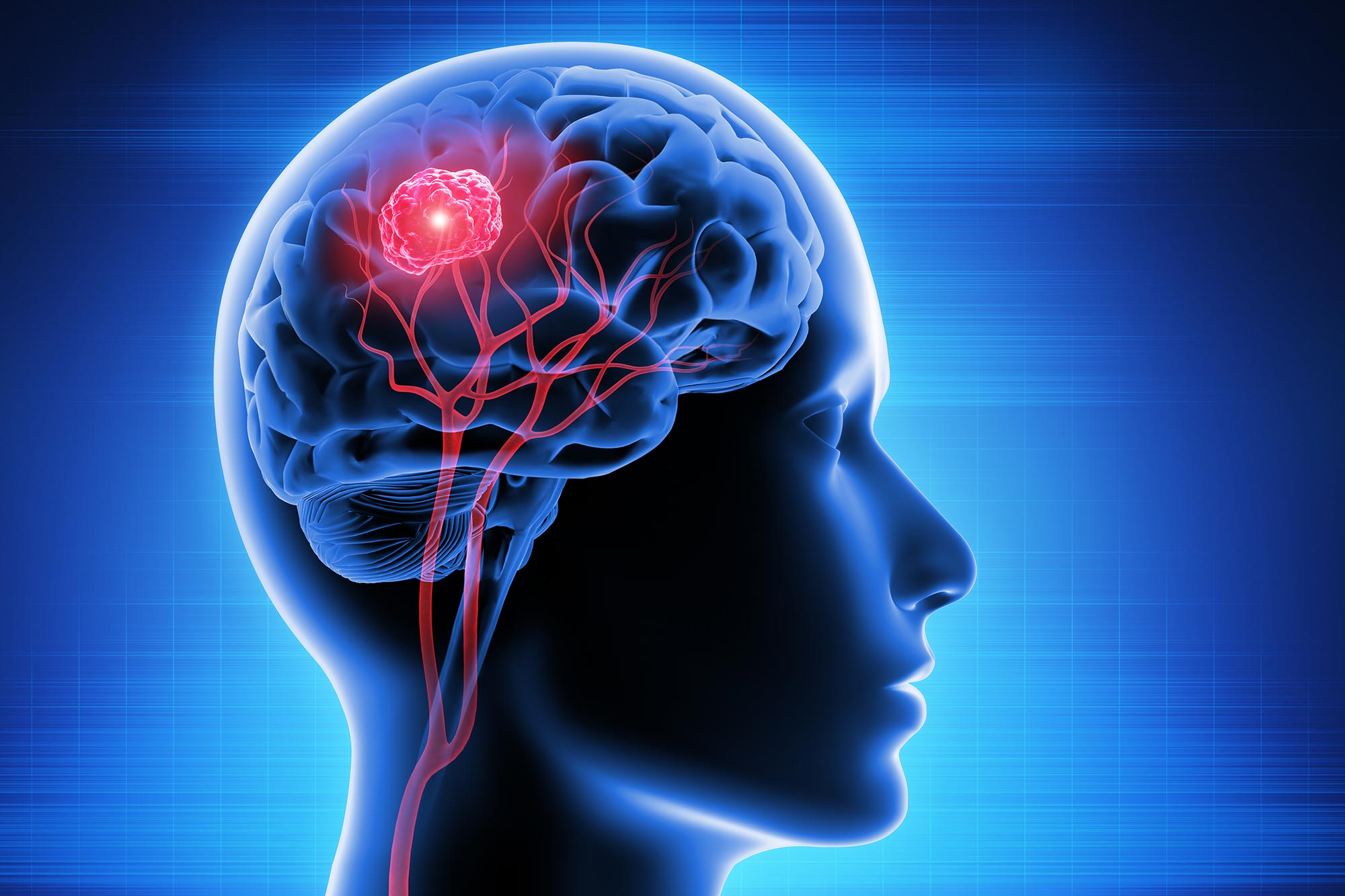
This advanced therapy uses gold nanoparticles as a core for spherical nucleic acids—a novel form of drug delivery. These nucleic acids are short strands of DNA designed to stimulate the STING pathway (Stimulator of Interferon Genes), which triggers an immune response specifically in the brain. This targeted approach allows local immune cells to be effectively activated to combat the tumor.

Advantages of the Nasal Drops
The new nasal drop method presents several key advantages over traditional therapies:
Non-Invasive Administration: The nasal route allows therapeutic molecules to reach the brain through neural pathways, eliminating the need for direct injections.
Reduced Side Effects: This highly targeted treatment minimizes the risk of adverse effects commonly associated with more invasive cancer therapies.
Proven Efficacy: Studies in mice have shown that one or two doses of the nasal drops can effectively eradicate glioblastoma tumors and foster long-lasting immunity against recurrence.
How the Treatment Works
The treatment, known as Nasal Drop Therapy with Nanoparticles, operates in two main phases:
Immune System Stimulation: Activation of the STING pathway makes previously quiet tumors recognizable targets for the immune system, enabling an effective attack.
Pharmacological Support: When combined with drugs that enhance T-cell activity, the immune response is amplified, leading to a more successful elimination of tumors.
Transformative Potential in Cancer Treatment
This innovative nasal nanoparticle technology signals a major advancement in brain cancer immunotherapy. Its safety and efficacy profile may surpass existing treatments focused on activating the STING pathway. The promise of a non-invasive therapy opens new avenues of hope for patients battling aggressive and often treatment-resistant brain cancers.
Challenges and Next Steps
Despite the promising results in animal models, several challenges remain before these nasal drops can be applied to humans:
Further Clinical Development: Clinical trials must be conducted to assess the safety and efficacy of this treatment in actual human patients.
Long-Term Effectiveness Assessment: It will be crucial to ensure that the induced immunity lasts over time without producing unwanted side effects from ongoing therapy.
Conclusion
Nasal drops that eliminate brain tumors represent a renewed hope for millions battling cancer. This innovative method, combined with advanced nanoparticle technology and immune activation, has the potential not only to revolutionize glioblastoma treatment but also to pave the way for future research in immunotherapy. As we continue to explore these new frontiers in medicine, the prospects for treating previously untreatable cancers look increasingly promising.
For more details about the results of this research, check out the sources from ScienceAlert and WashU Medicine.
Sources
Share this post
Like this post? Share it with your friends!