

Os Primeiros Passos de KJ Muldoon: Uma Revolução na Edição Genética Personalizada
Os Primeiros Passos de KJ Muldoon: Uma Revolução na Edição Genética Personalizada
aitech.pt
aitech.pt
Baby Steps: First Personalized CRISPR Gene-Editing Patient Takes First Steps
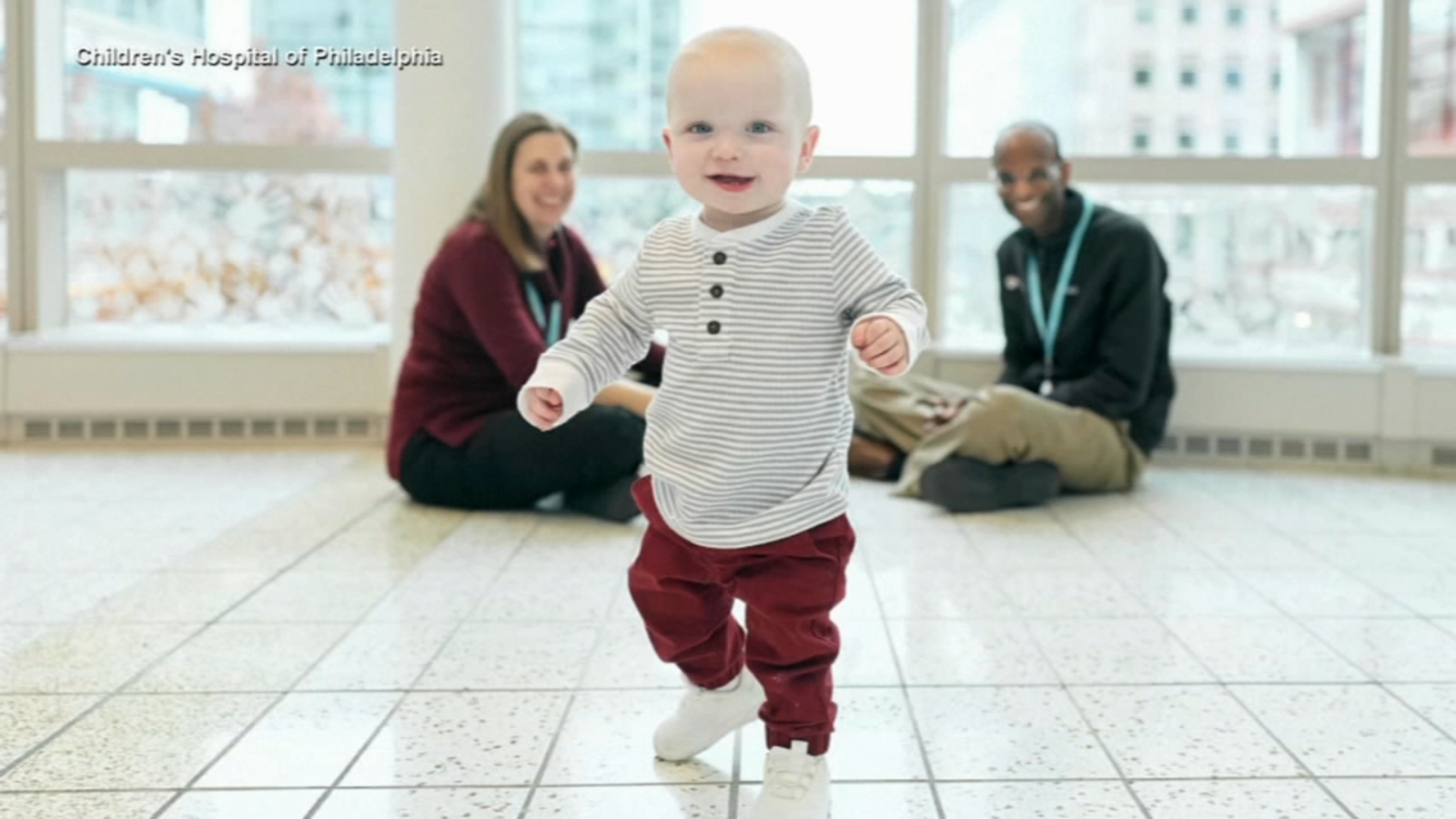
KJ Muldoon, the first patient in the world to receive personalized CRISPR gene-editing therapy for severe carbamoyl phosphate synthetase 1 (CPS1) deficiency, took his first steps at home after being treated at the Children’s Hospital of Philadelphia (CHOP). This remarkable advancement not only marks a new era in CRISPR therapy but also raises important questions about the approval processes for personalized treatments addressing rare diseases.

Understanding CRISPR Technology and Its Implications in Personalized Medicine
CRISPR (Clustered Regularly Interspaced Short Palindromic Repeats) is a powerful gene-editing technology that allows researchers to modify DNA in precise ways. It functions like a molecular scissors, enabling the deletion, addition, or alteration of sections of the DNA sequence.
Key Features of CRISPR Technology:
- Precision: Targets specific genetic sequences, minimizing off-target mutations.
- Efficiency: Faster and cheaper than previous gene-editing technologies.
- Flexibility: Applicable to various genomic alterations across many species.
Potential Risks of CRISPR Gene Editing:
- Unintended Mutations: Off-target effects can lead to harmful genetic changes.
- Ethical Concerns: The possibility of gene editing in embryos raises moral questions.
- Long-term Effects: Unknown outcomes of heritable changes in the human genome.
Evolution into Personalized Medicine
Personalized medicine tailors treatments to the individual characteristics of each patient. The case of KJ illustrates how CRISPR therapy can be adapted to address unique genetic profiles, potentially revolutionizing the treatment landscape for rare genetic disorders.
Treatment Overview

KJ, born in late 2023, developed a potentially fatal accumulation of ammonia due to CPS1 deficiency, a rare metabolic disorder impacting approximately 1 in 1.3 million newborns, often leading to infant mortality.
Treatment Details:
- Date of Treatment: February 25, 2025
- Therapy: Personalized gene editing via CRISPR, specifically utilizing “base-editing” strategies.
- Objective: Correct a specific mutation in the DNA, functioning as a “molecular spell checker” within liver cells.

The therapy, developed by pediatrician Rebecca Ahrens-Nicklas and cardiologist Kiran Musunuru from the University of Pennsylvania, was crafted in a record time of just six months—far shorter than the typical 18 months needed for similar treatments, allowing prompt intervention.
Current Progress and Milestones
Now 16 months old, KJ is thriving and enjoying family moments in Clifton Heights, Delaware County. Among the family celebrations is KJ wearing a jersey of Jalen Hurts, quarterback of the Philadelphia Eagles, a milestone that seemed uncertain due to his earlier diagnosis.
| Milestone Highlights | Details |
|---|---|
| Hospitalization Duration | 307 days |
| Date of Discharge | June 2025 |
| Home Activities | Walking, playing, and preparing for his first Christmas at home |
These milestones highlight a significant improvement in KJ’s quality of life.
Broader Implications of CRISPR Therapy
KJ’s case, documented in the New England Journal of Medicine, challenges traditional drug approval models. Using a personalized treatment approach for a single patient opens regulatory discussions on how to address rare diseases with similar methodologies.
Future Applications and Research Opportunities:
- Investigating other urea cycle disorders, organic acidemias, and fatty acid oxidation disorders could benefit an estimated 7,000 rare conditions, affecting around 30 million Americans.
- Potential applications include treatments for sickle cell anemia and cystic fibrosis.
Challenges and Final Considerations
While KJ’s story represents a groundbreaking advance in biotechnology and medicine, concerns regarding dosage, safety, and long-term outcomes remain. Continued research is essential to ensure these innovative therapies can benefit other patients effectively and safely.
“KJ’s story is a testament to the transformative potential of personalized gene editing and a beacon of hope for many facing rare diseases.”
— Rebecca Ahrens-Nicklas
Conclusion
KJ Muldoon’s journey marks a significant milestone in the history of genetic therapy, potentially altering how drugs are approved and administered in the future. As we move forward, the possibility of applying this technology to a growing number of rare diseases offers new hopes for countless families worldwide. KJ’s story is not just a personal narrative; it is a bold step toward a future where personalized medicine becomes the norm.
Sources
Share this post
Like this post? Share it with your friends!