

Pesquisadores Coreanos Criam Chip Semelhante ao Cérebro a Partir de Conchas e Feijões
Pesquisadores Coreanos Criam Chip Semelhante ao Cérebro a Partir de Conchas e Feijões
aitech.pt
aitech.pt
Korean Researchers Build Brain-Like Chip from Shells and Beans: Potential Implications for AI and Biodegradable Technology
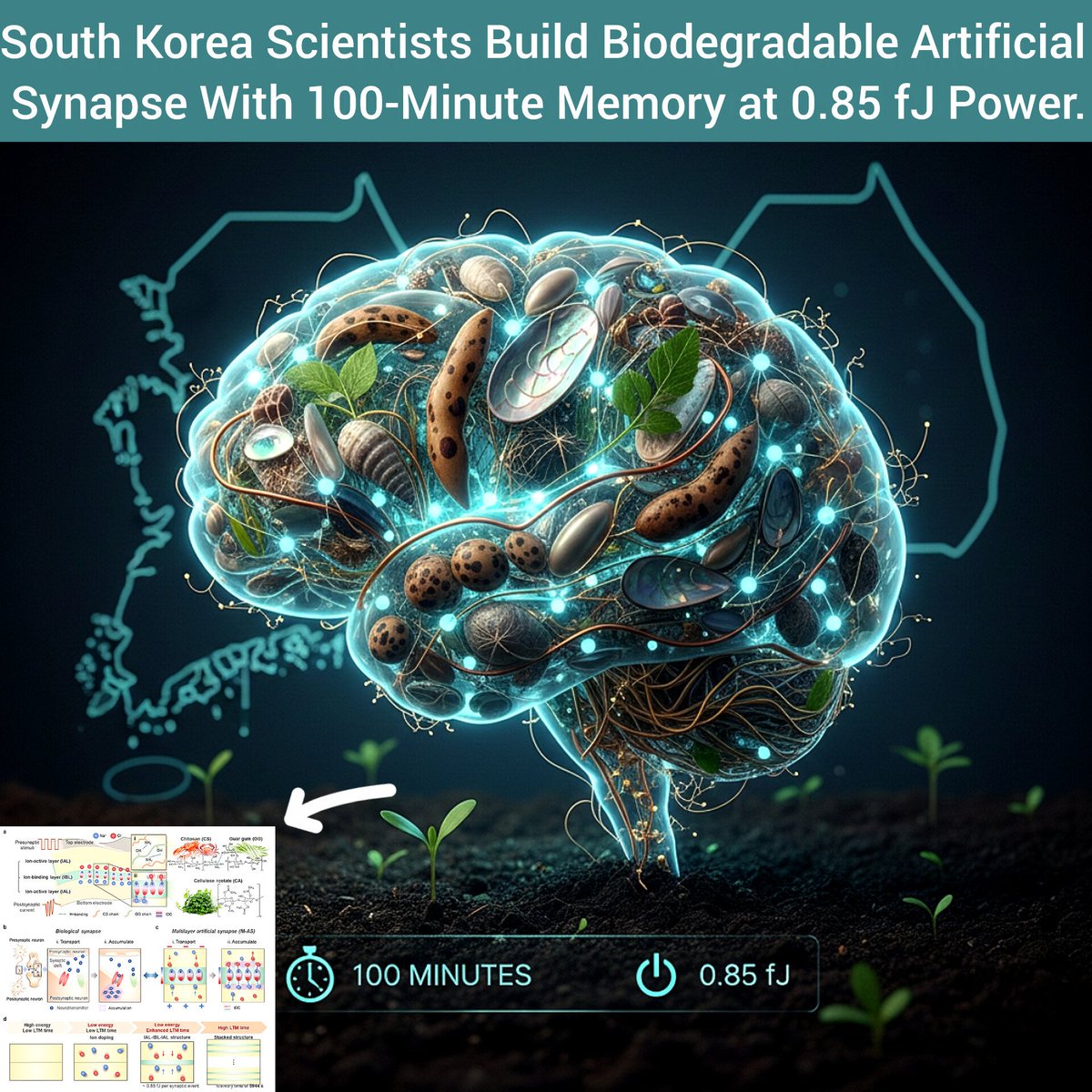
A breakthrough in the intersection of biotechnology and neuroscience is emerging as South Korean scientists develop a fully biodegradable artificial synapse. Composed of chitosan sourced from crab shells, plant fibers, and bean extracts, this device displays an impressive energy efficiency of just 0.85 femtojoules per signal and a memory retention exceeding 100 minutes. This discovery could pave the way for the development of artificial intelligence (AI) hardware that can learn, adapt, and decompose without leaving toxic residues.
What is Chitosan?

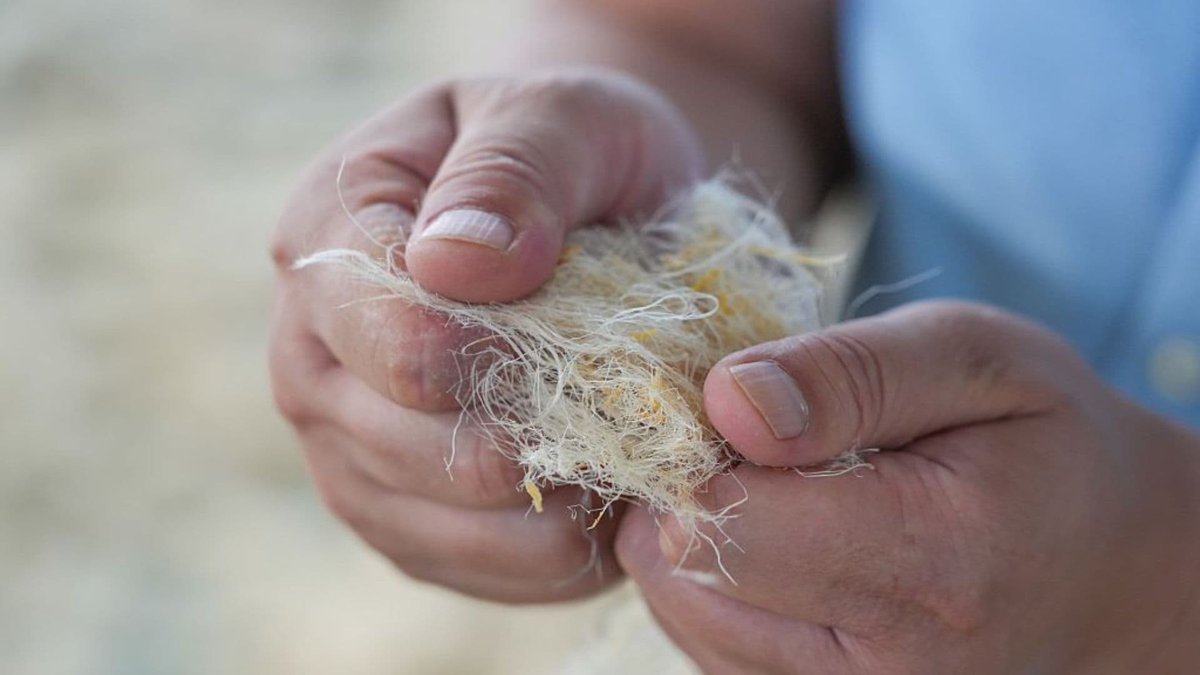
Chitosan is a polysaccharide derived from chitin, which is found in the shells of crustaceans like shrimp and crabs. This material is biocompatible and biodegradable, making it a prime candidate for various applications, from medicine to agriculture. The use of chitosan in the new artificial synapse is an innovation that combines sustainability with efficiency.
How the Artificial Synapse Works

The newly developed artificial synapse is designed to mimic the functions of biological synapses, which are responsible for transmitting signals between neurons. According to available data, the device is optimized to operate with minimal energy, making it more efficient than human synapses, which consume between 10 to 100 femtojoules.
Energy Efficiency Comparison
| Type of Synapse | Energy Consumption (femtojoules) | Memory Retention |
|---|---|---|
| Human Synapse | 10 - 100 | Varies |
| Artificial Synapse | 0.85 | Up to 100 minutes |
Implications for Artificial Intelligence
The creation of this chip presents a novel perspective on AI technologies, suggesting that future devices could not only process information efficiently but also learn in ways reminiscent of the human brain. The chip’s biodegradable feature represents a significant step toward minimizing the environmental impact associated with electronic device production.
Potential Applications
- Biodegradable Electronics: Devices that decompose naturally, reducing waste.
- Smart Adaptive Systems: AI systems that can learn from their environment and adapt accordingly.
- Sustainable Innovation: Technology that aligns with eco-friendly practices.
Research Context
While the description of the chip has garnered significant attention, it is essential to note a few critical limitations:
- Current information lacks support from peer-reviewed scientific literature.
- Related research on chitosan indicates various applications, but direct connections to artificial synapses or the specific energy consumption mentioned are yet to be established.
Conclusion
The development of a biodegradable artificial synapse from chitosan and beans represents a qualitative leap in the interaction between biology and digital technology. Although precise details regarding performance and scientific validation are still needed, this type of innovation suggests a future where technology not only mimics human functions but does so in an environmentally responsible way.
Future investigations in this field promise to fuel the evolution of smarter, more efficient, and sustainable devices. Hence, science continues to oscillate between imitating nature and progressing toward a more responsible future.
Sources
Share this post
Like this post? Share it with your friends!