

Universitário de York Desenvolve Robótica para Descoberta Rápida de Antibióticos
Universitário de York Desenvolve Robótica para Descoberta Rápida de Antibióticos
aitech.pt
aitech.pt
University of York Develops Robotics for Rapid Antibiotic Discovery
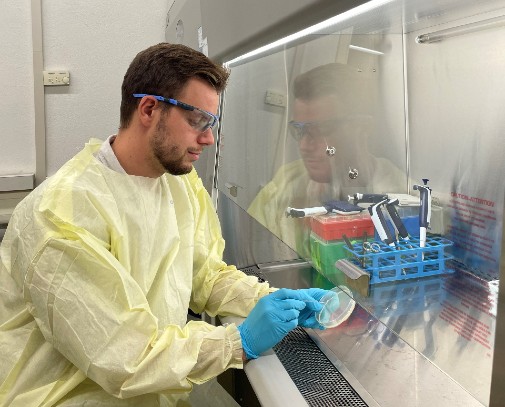
Antibiotic resistance has emerged as one of today’s most critical public health threats, prompting a global urgency for innovative strategies in the swift discovery of new antibiotics. Researchers at the University of York in the UK have pioneered a revolutionary method that harnesses robotics to accelerate this essential process. Their recent breakthrough enabled the team to screen over 700 metallic compounds within a remarkably short timeframe of just one week, identifying an iridium-based antibiotic candidate with promising antibacterial activity.

The Discovery Process

Advanced Robotic Technology

Led by Dr. Angelo Frei from the Department of Chemistry, the study employed an automated synthesis and screening platform that intricately combines robotics with copper(I)-catalyzed “click” chemistry. This innovative technique facilitated the near-instantaneous production of a large number of compounds:
| Item | Quantity |
|---|---|
| Ligands | 200 |
| Distinct Metals | 5 |
| Unique Metal Complexes | 700+ |
This efficiency starkly contrasts traditional methods, marking a significant leap forward in antibiotic discovery.
Compound Screening
After the automated synthesis phase, the newly generated compounds underwent rigorous assessment for antibacterial activity as well as human cell toxicity, utilizing the HEK293T cell line. Notably, the following results emerged:
- Six candidates for metal-based antibiotics were highlighted.
- An iridium complex stood out with remarkable antibacterial efficacy against MRSA (methicillin-resistant Staphylococcus aureus) strains, while also demonstrating low toxicity to mammalian cells.
Methodological Advances
The study’s key innovation stemmed from its adopted methodologies. By fusing automation and “click” chemistry, researchers can delve more swiftly and effectively into previously uncharted chemical spaces. This may lead to an accelerated identification of new antibiotics as well as functional metal complexes for diverse applications such as catalysts.
Context and Significance
The increasing prevalence of antibiotic resistance underscores the necessity for developing new therapeutic solutions. The University of York’s groundbreaking approach zeroes in on under-explored chemical landscapes, especially emphasizing three-dimensional metal complexes that could potentially bypass established resistance mechanisms. However, researchers recognize the importance of further inquiry, which includes:
- Elaboration on the iridium compound’s mechanism of action,
- Optimizations, including preclinical safety tests,
- Efficacy assessments in biological systems prior to moving into clinical trials.
Next Steps
The research team aims to deepen their understanding of the iridium compound’s action mechanisms while also working to enhance the robotic platform to include broader metal applications. They hope this innovative approach will catalyze increased interest in exploring metal complexes for antimicrobial development.
Conclusion
The significant discovery from the University of York represents a monumental advance in the ongoing battle against antibiotic resistance. By bridging robotics and innovative chemistry, the researchers have unveiled a promising new path toward discovering effective treatments for drug-resistant infections. Continued exploration and research are imperative, as they may lead to solutions addressing one of the most critical public health crises of our time.
For further details about this significant research, refer to the publications in Nature Communications and the discovery highlights provided by the University of York.
Sources
Share this post
Like this post? Share it with your friends!